This time I'm archiving the photos on Flickr, though it is currently blocked in China. 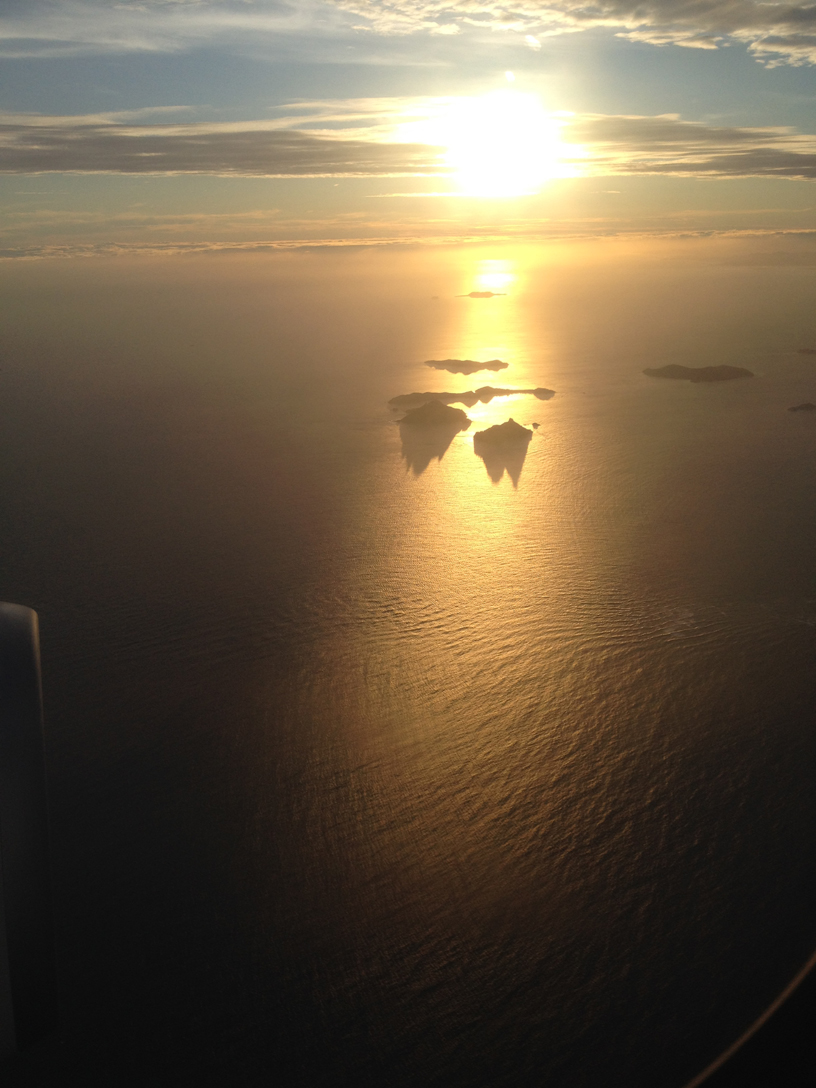 Golden sunrise, near Fiji.
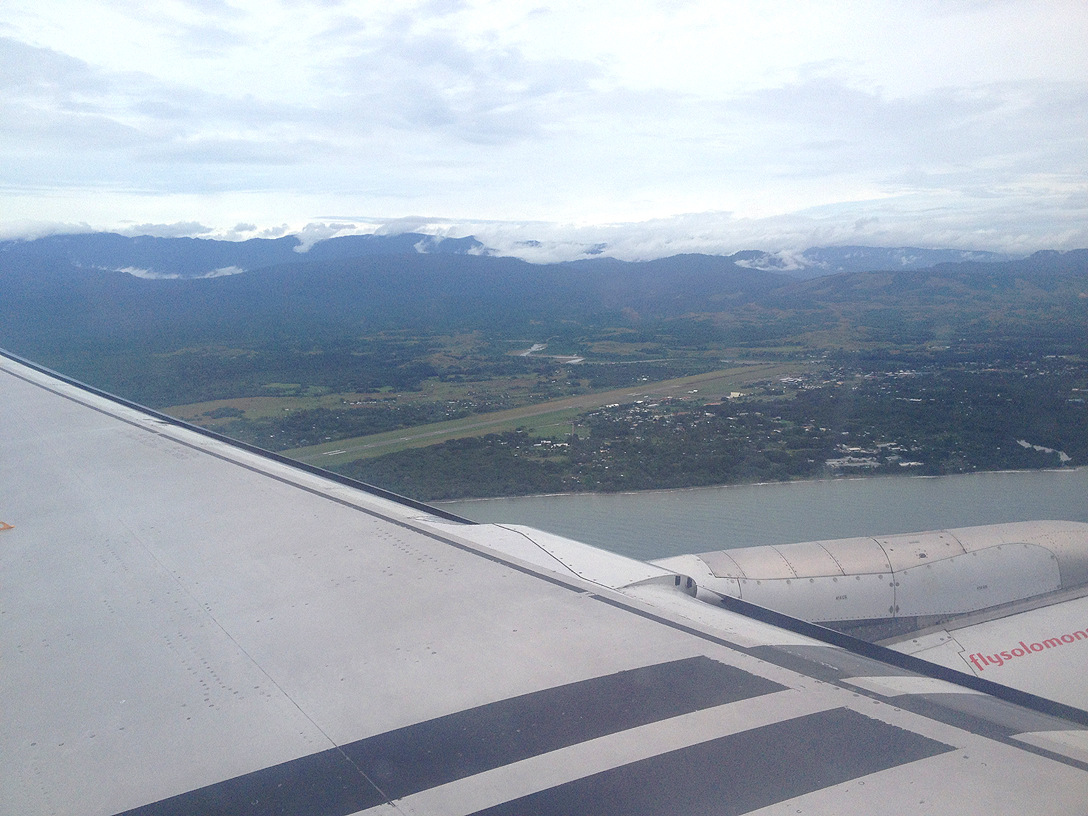
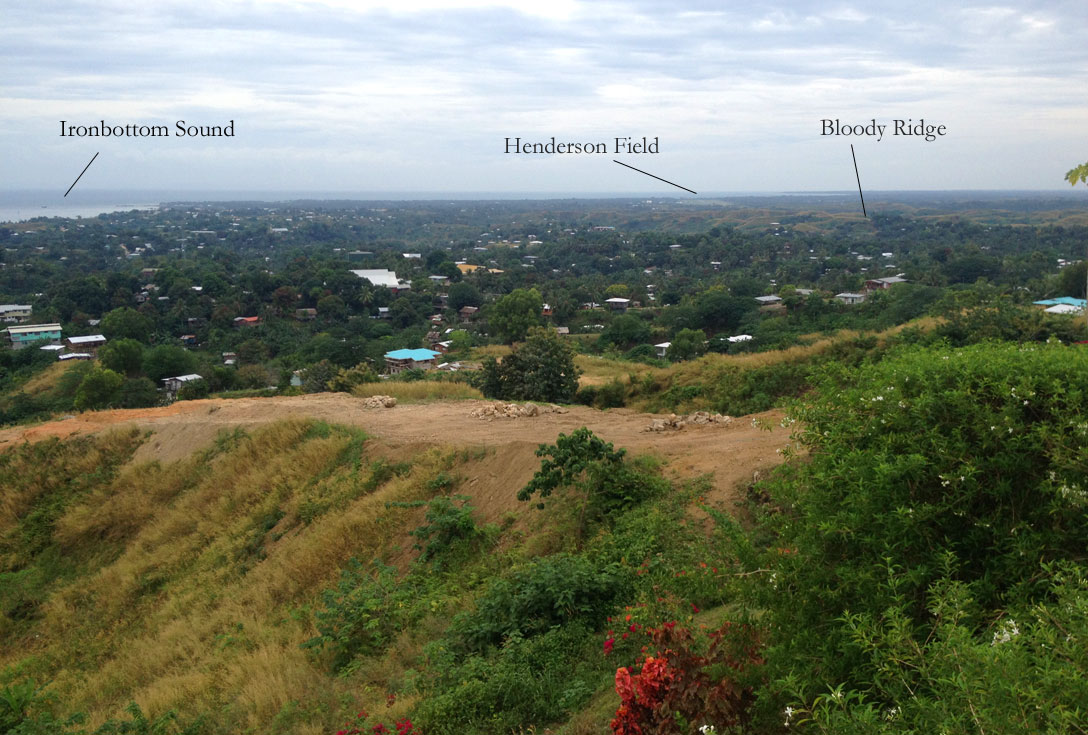
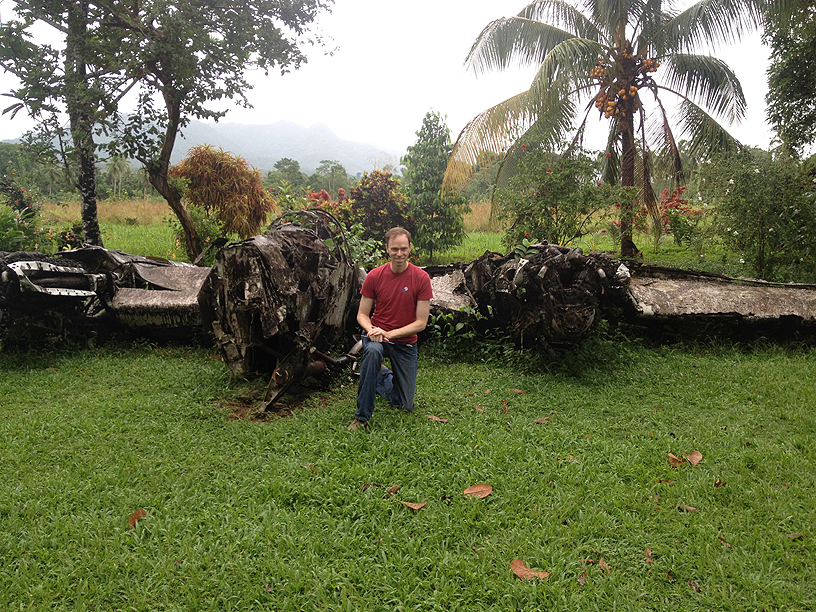
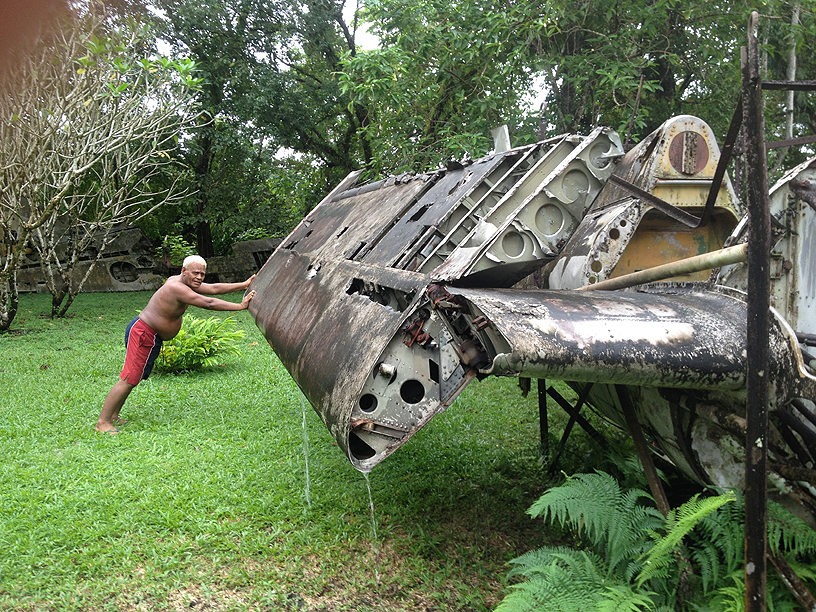
Henderson Field, Honiara. My first stop was landing in the actual airfield that the U.S. and Japanese fought over in the Battle of Guadalcanal.
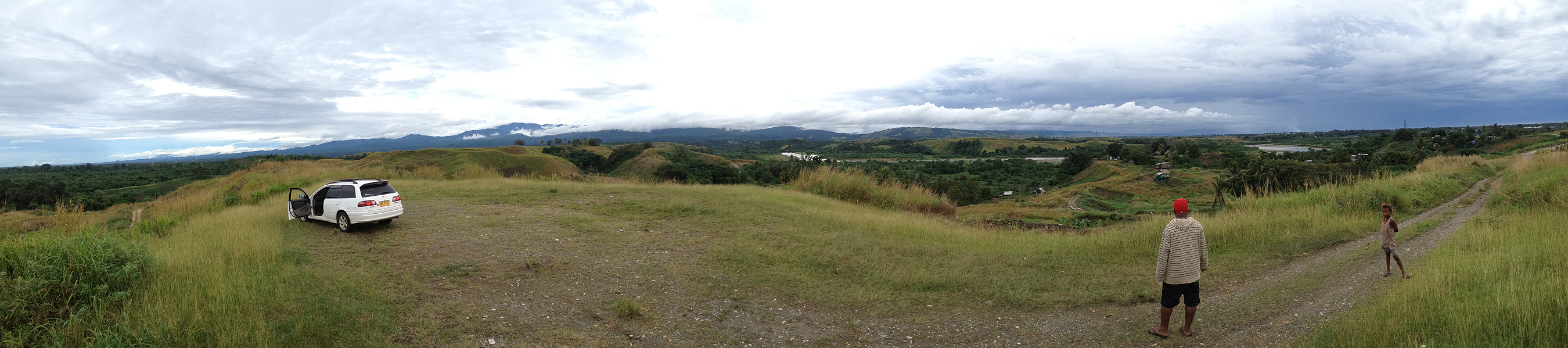
Looking down from the former
Japanese positions in the foothills of Mt Austen towards
Henderson Field and the beaches of Guadalcanal.
One of the trip's most memorable events for me was the brief
visit to Gizo, where I was stranded for several days waiting
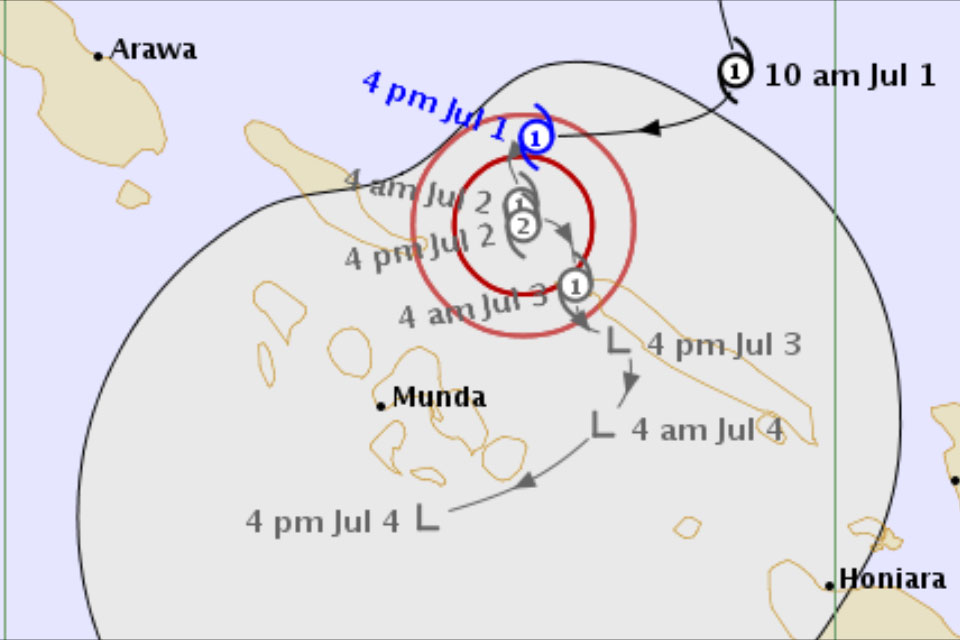
for a Tropical Storm Rachel to pass. Because of bad weather I
was delayed for a whole afternoon on the small airstrip at
Munda, near Gizo, which itself was a small battle of the
Solomon Islands campaign in WW2.
Munda International Airport may be
the smallest airport I've ever had to spend an entire day at.
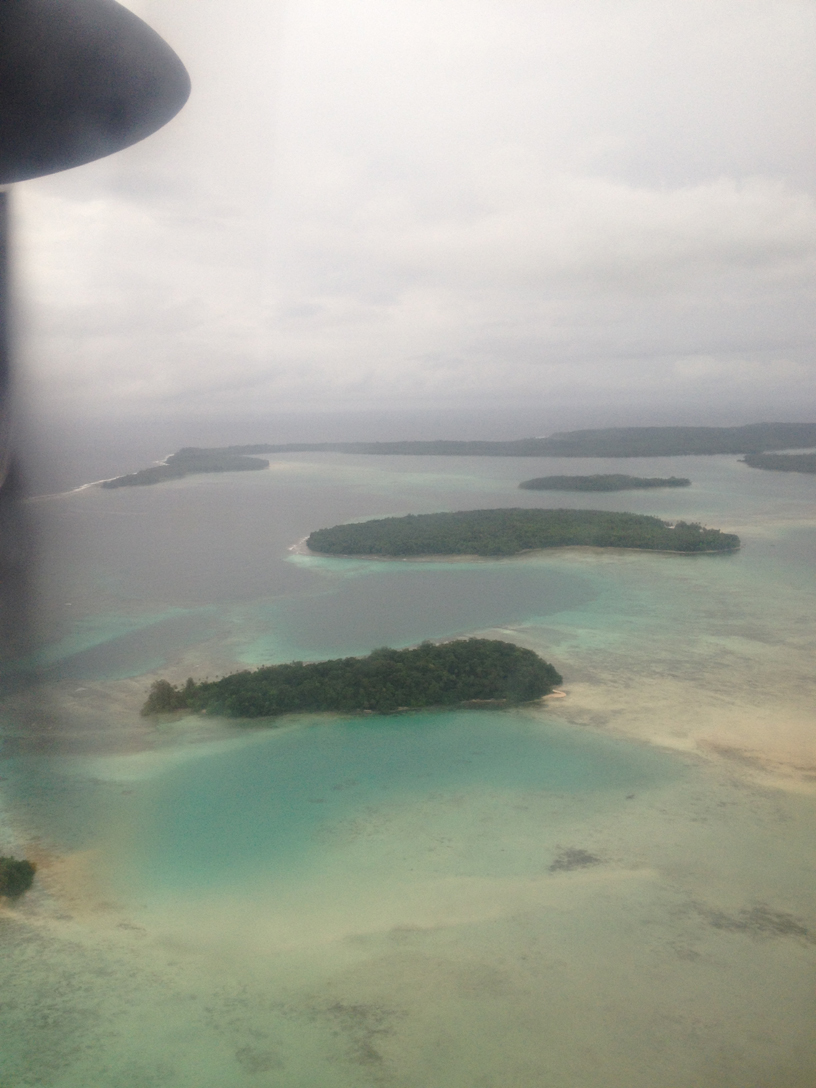
The flight to Gizo was rough and we
stayed at this altitude during the entire 30 minute flight from
Munda. A stormy tropical wonderland.
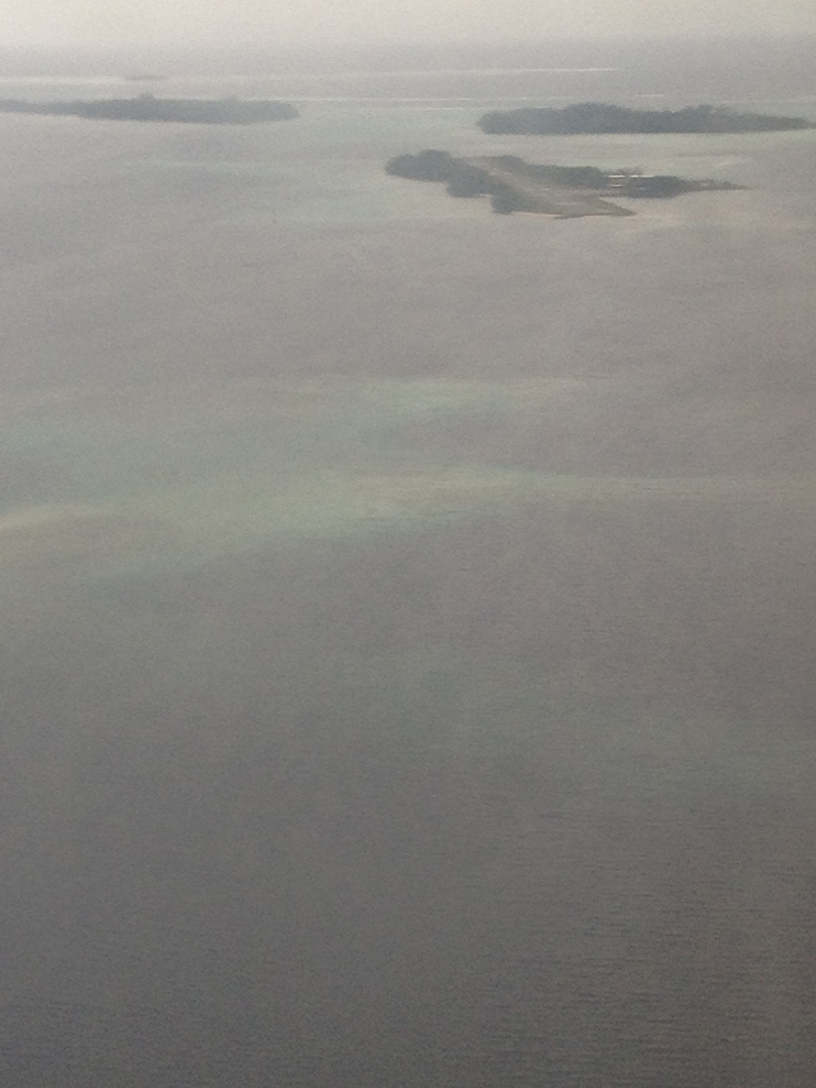
Gizo's tiny Nusatupe airfield is a
runway-shaped island off the coast of the larger island of Gizo.
For 4 days on Gizo I did little
aside from checking weather forecasts of Tropical Storm
Rachel's track. Every day the track would change, often for the
worse, but the storm ended by breaking up off the coast without
ever making landfall.
During my stay in Gizo I often
wondered if it might be easier to get out by boat than by
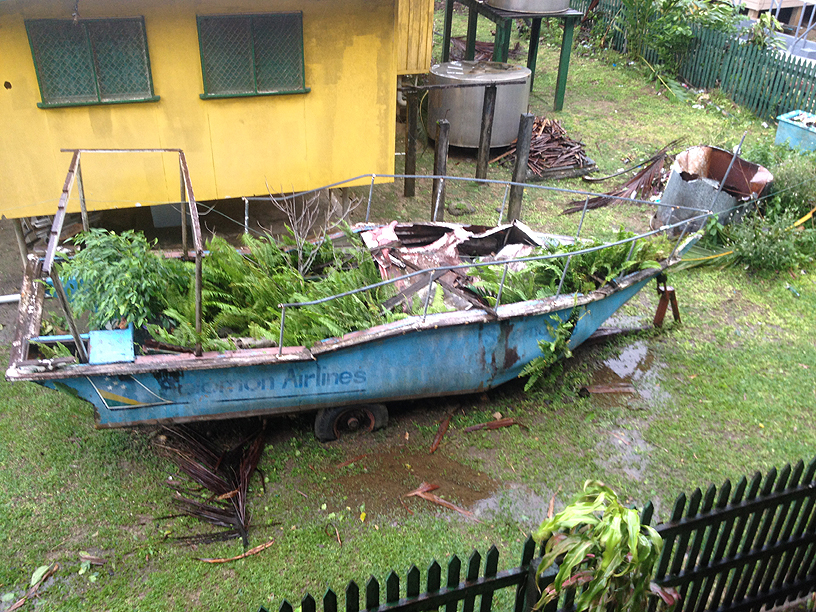
plane. Solomon Airlines even had this boat parked by their
ramshackle offices in town. Not very seaworthy.
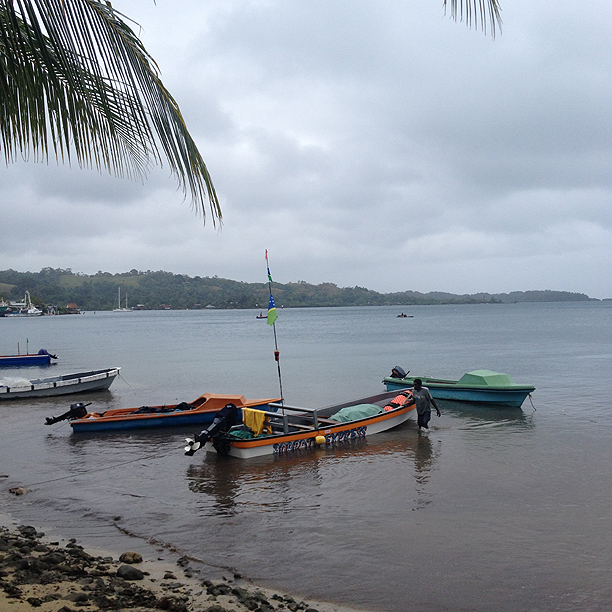
Gizo's small fleet of fishing and
tourist boats mostly stayed in harbor during my stormy
half-week stranded on the island.
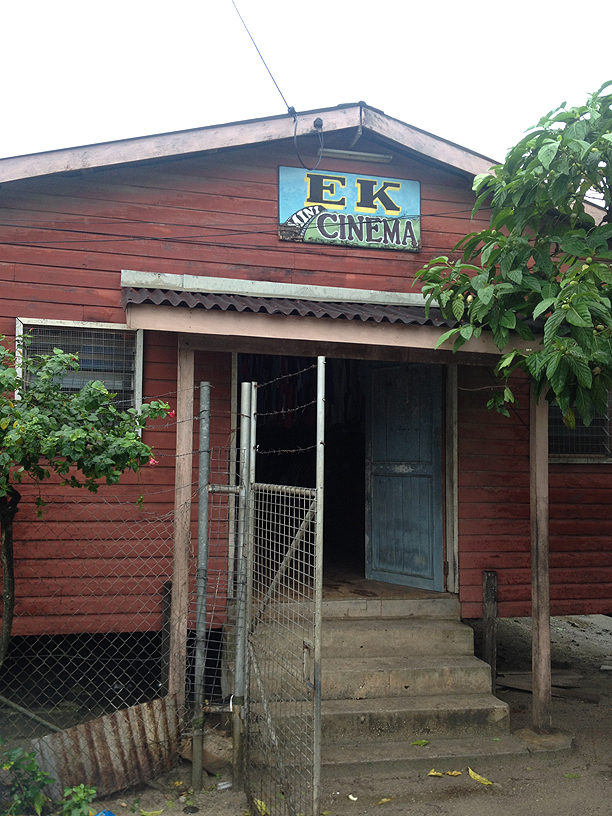
The tiny town of Gizo's cinema
looked like it had seen better days, some might argue.
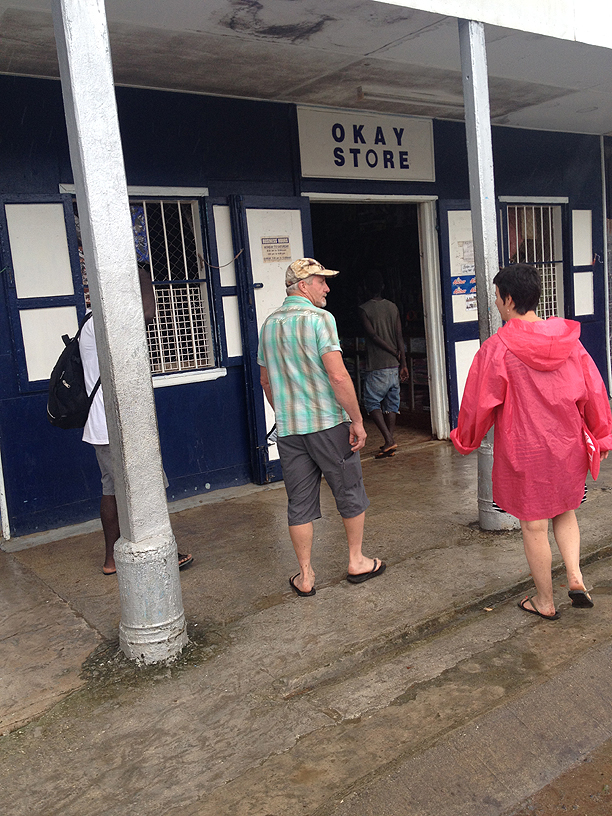
One day when I was trapped on Gizo
by Tropical Storm Rachel I visited the commercial street of the
tiny village of Gizo, including the Okay Store.
At last, after 4 days stranded on
Gizo without seeing anything of significance, my long-delayed
flight was rumored to be inbound for Nusatupe airfield. The
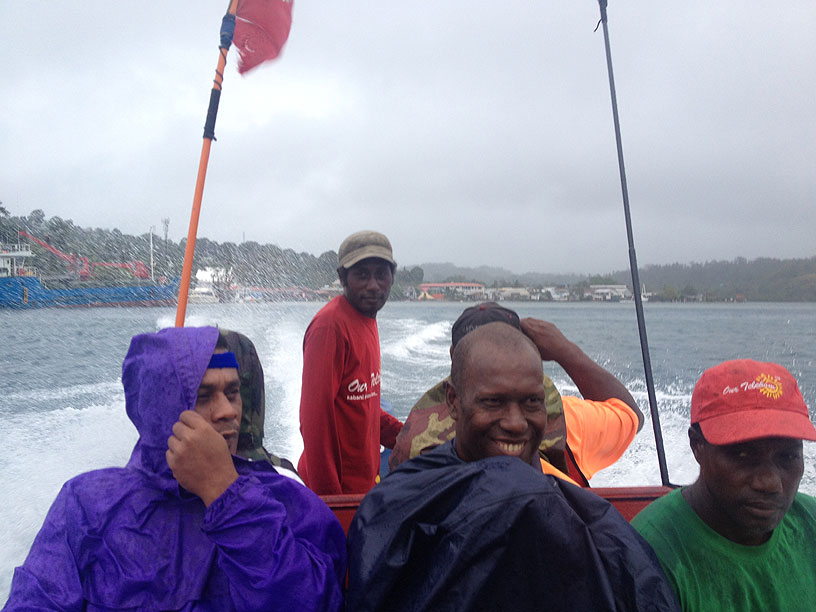
ride in the launch out to Nusatupe island was a rough one in
light blowing drizzle and choppy waves. But the mood was high!
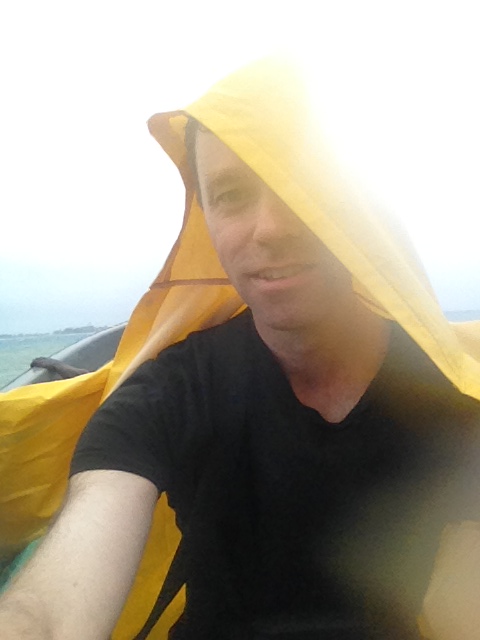
All smiles aboard the launch heading
for Nusatupe airfield and my long-delayed flight to Honiara
from Gizo.
All smiles aboard the launch heading
for Nusatupe airfield and my long-delayed flight to Honiara
from Gizo.
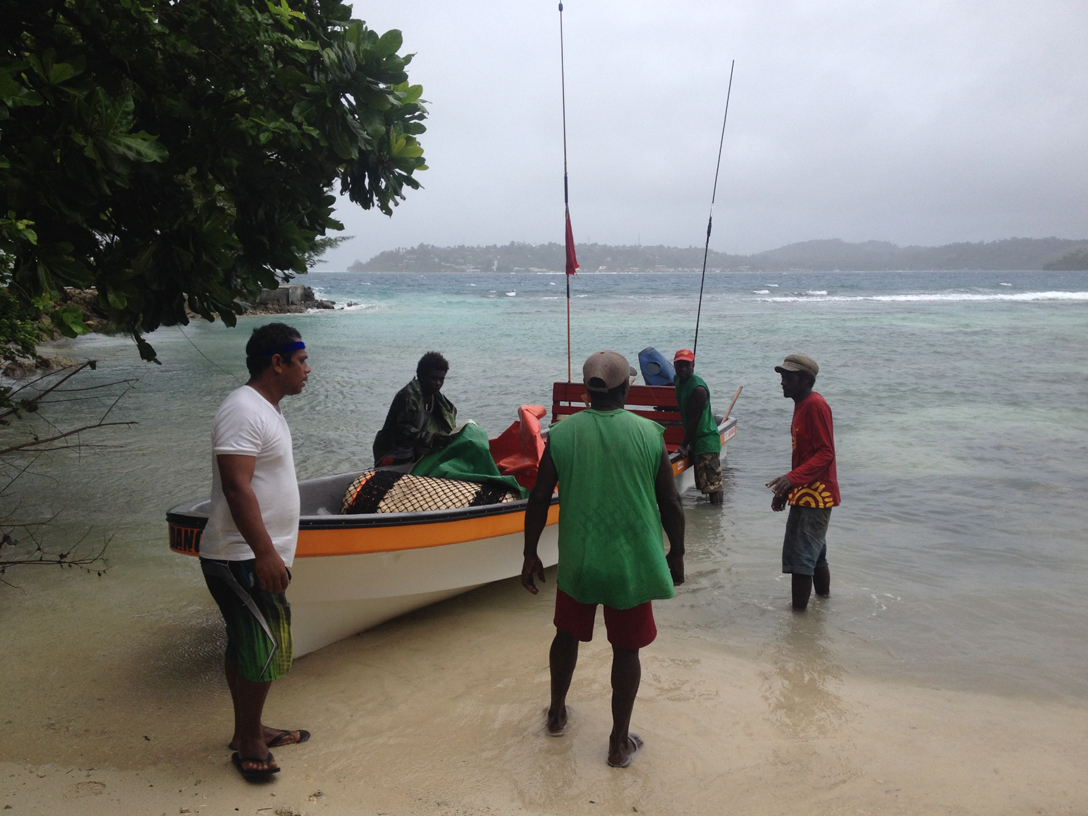
Landing on the beach at Nusatupe
island, home to Nusatupe airfield and what I dearly hoped would
be my long-delayed flight to Honiara.
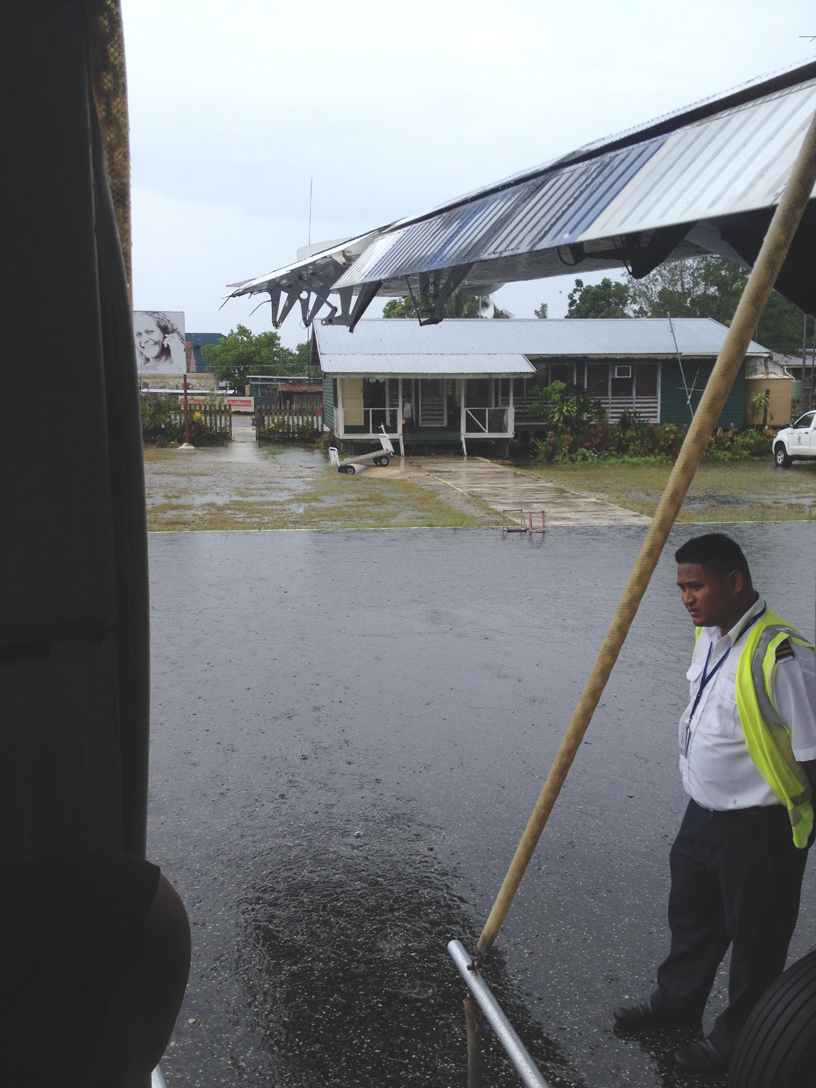
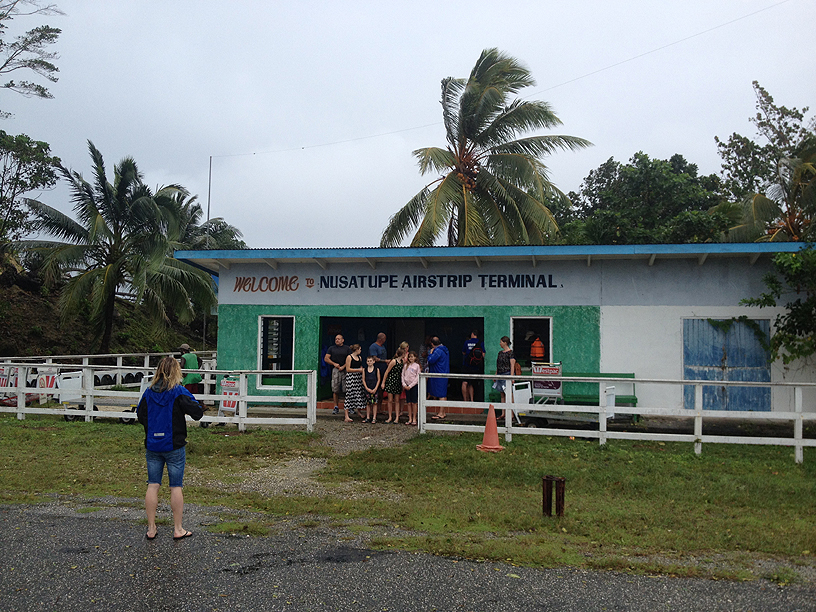
The airport terminal of Nusatupe
airfield. It was a small but chaotic group of tourists and
locals, all eagerly hoping and praying for a view of the small
turbo-prop plane that might, or might not, be able to carry us
off the tiny island and back to Honiara.
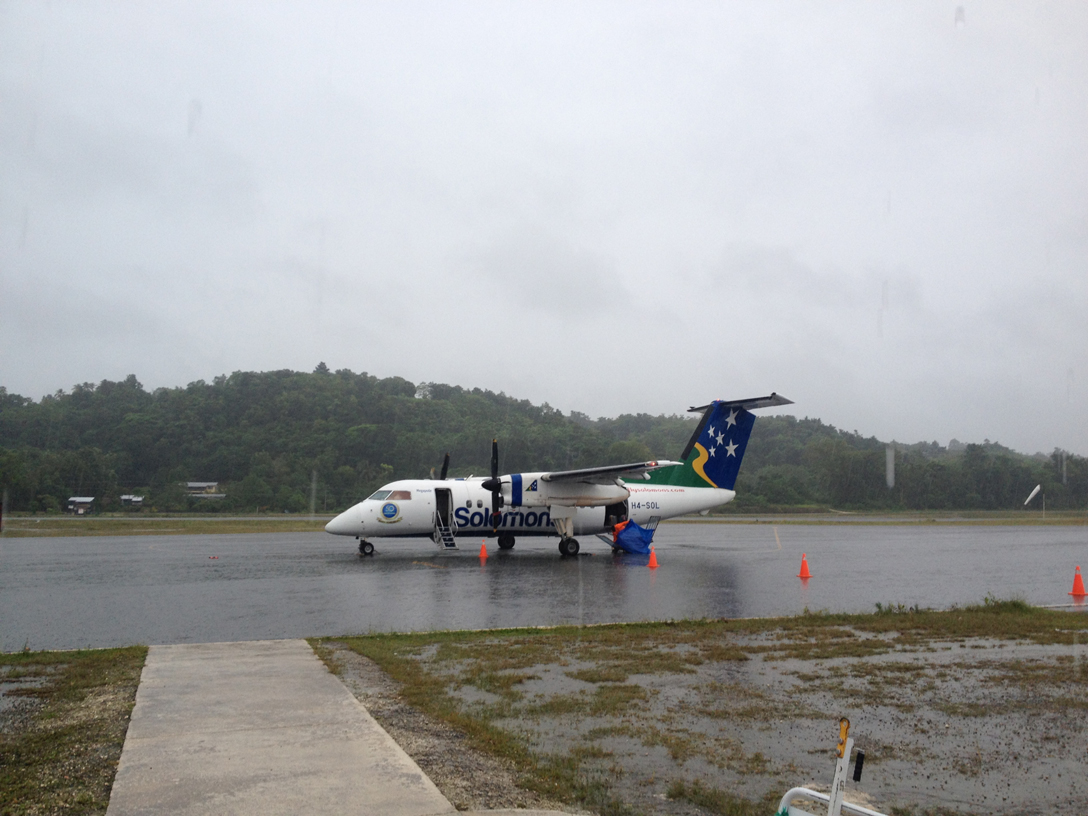
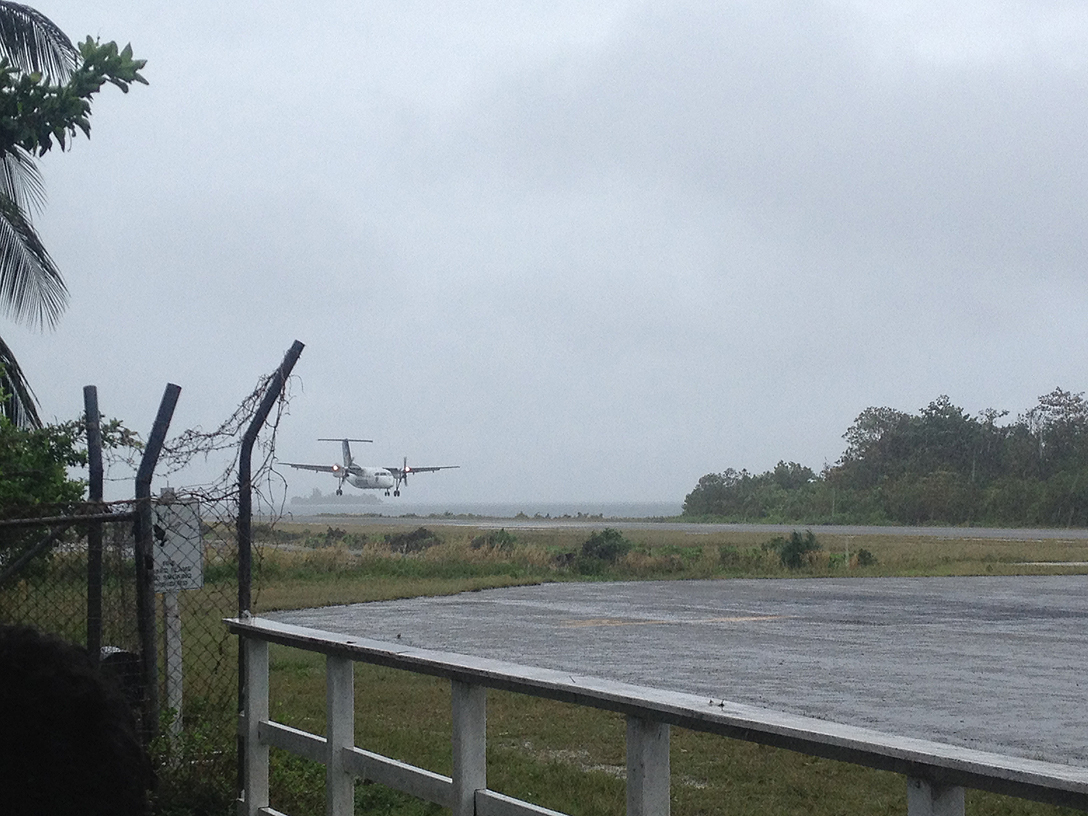
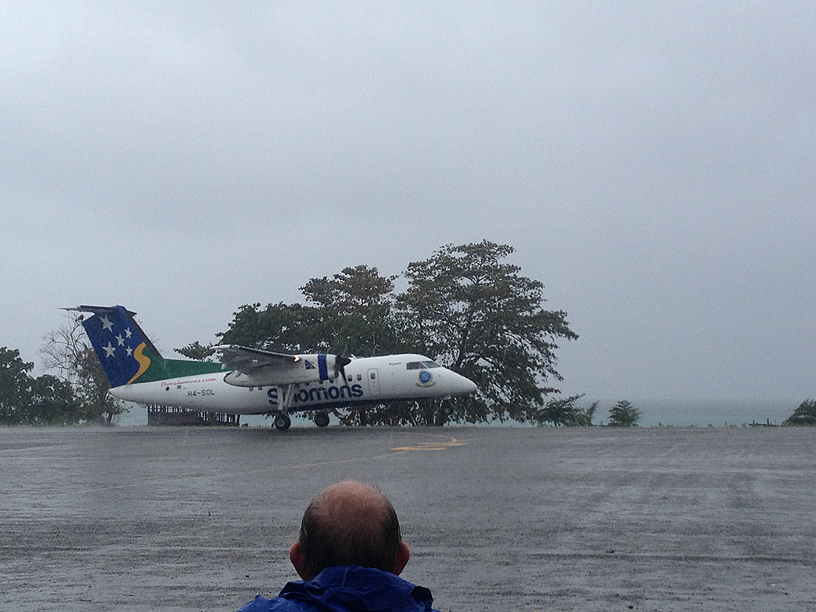
There was a note of jubilation a the
small turbo-prop plane somehow dropped out of the low clouds
and circled for a landing at Nusatupe airfield.
There was a note of jubilation a the
small turbo-prop plane somehow dropped out of the low clouds
and circled for a landing at Nusatupe airfield. Truly a moment
of happiness for me, even though my visit to Gizo had been
almost entirely wasted, stranded in the rat-infested hotel for
over 4 days.
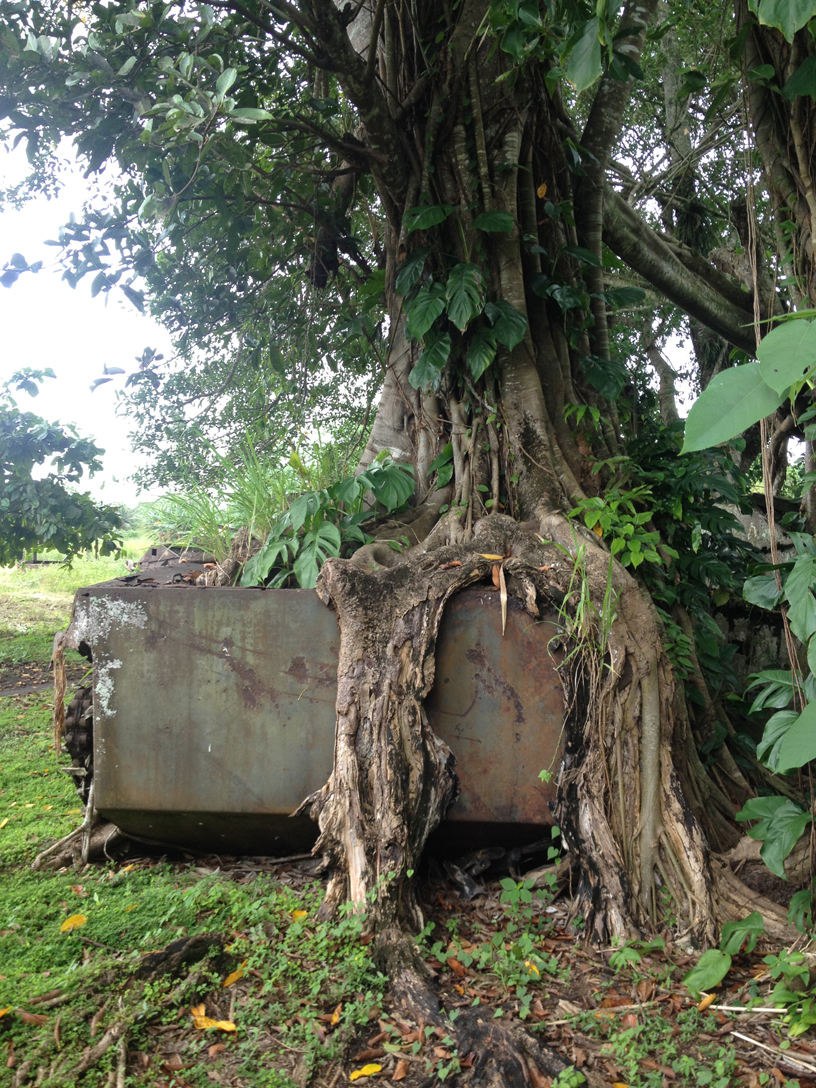
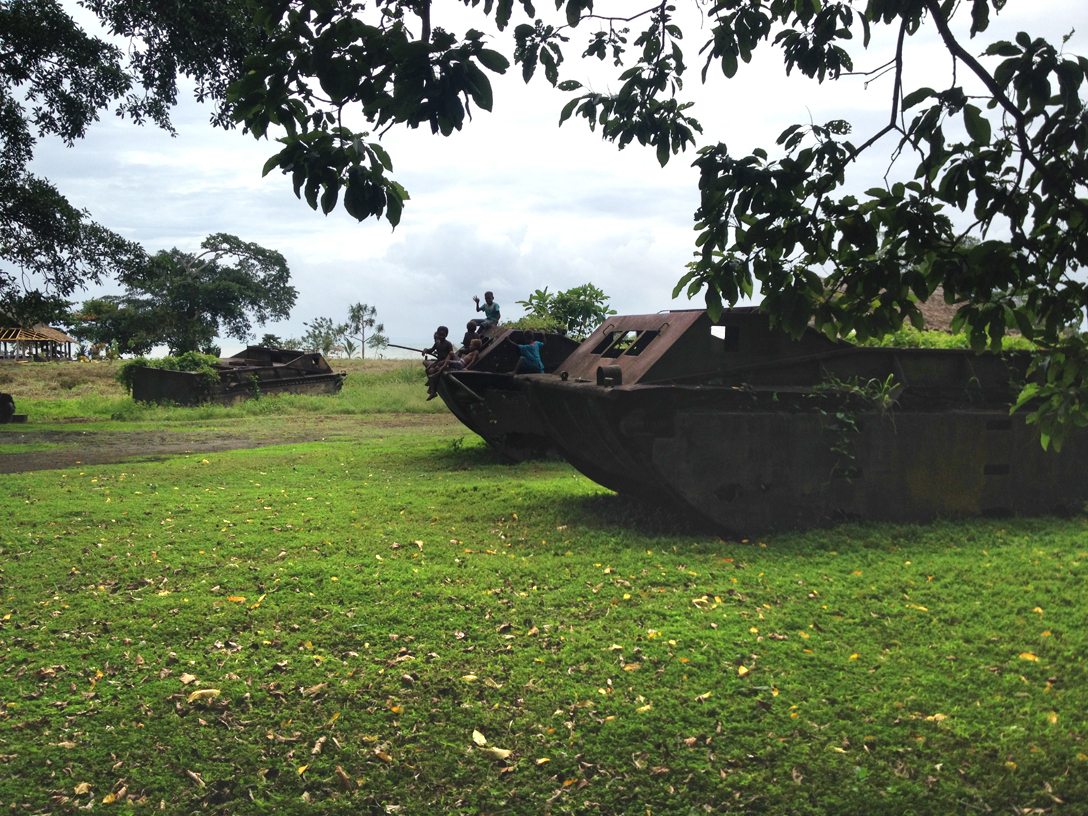
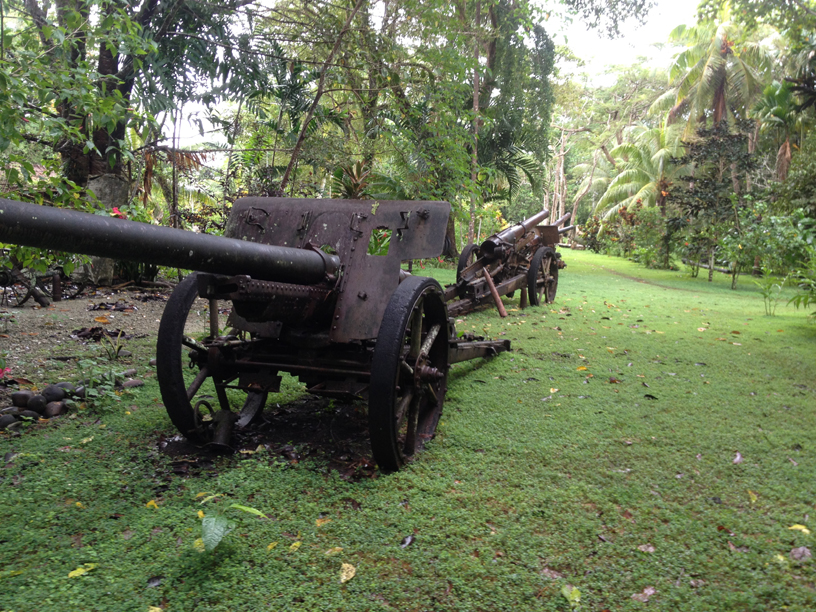
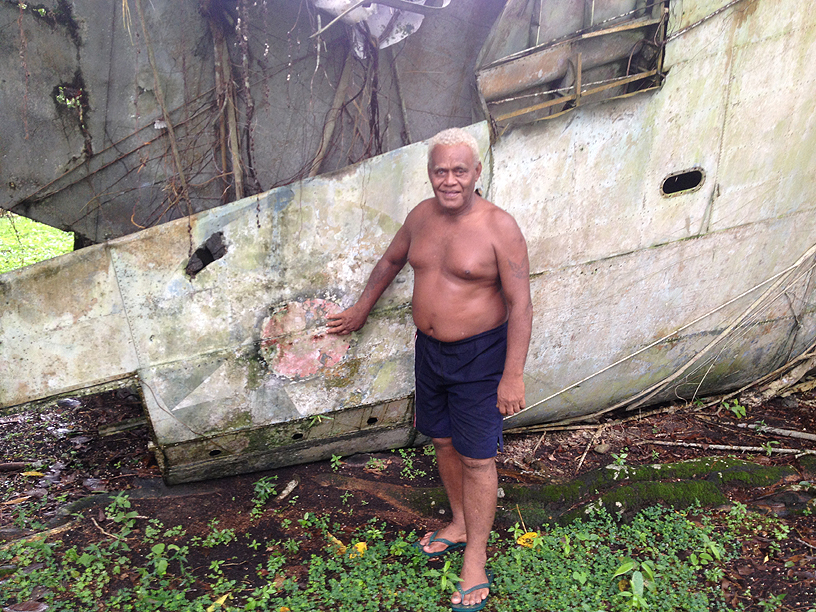
Japanese artillery in the war
relics museum of Guadalcanal.
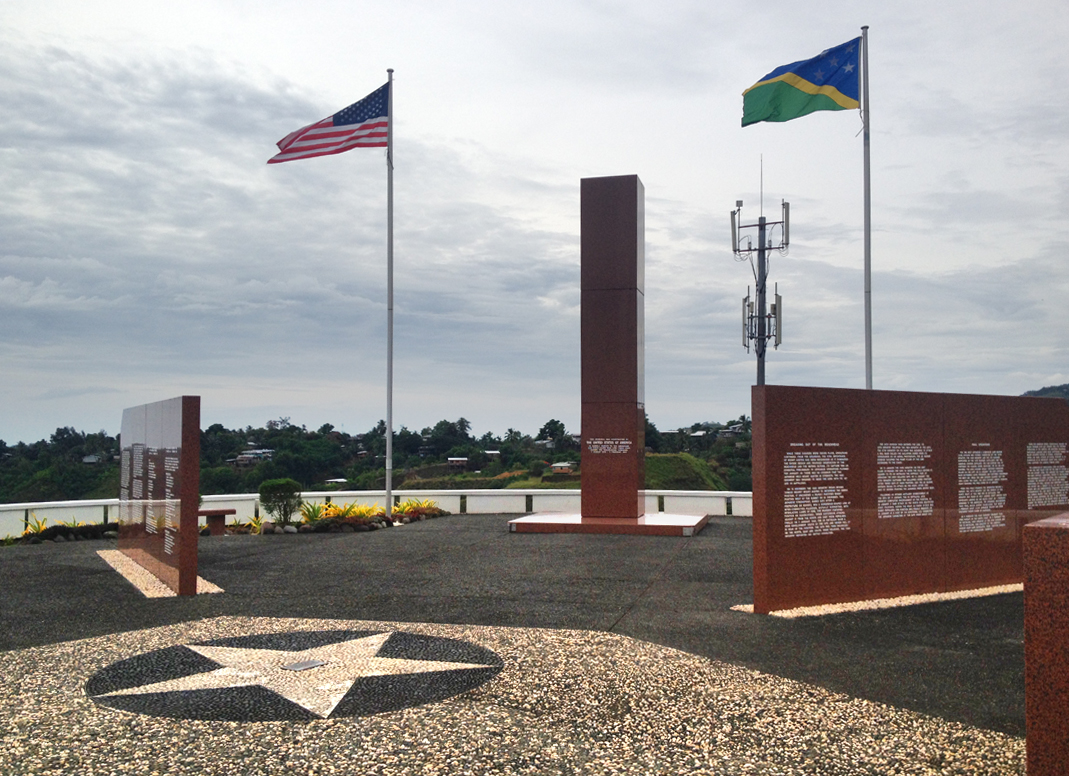
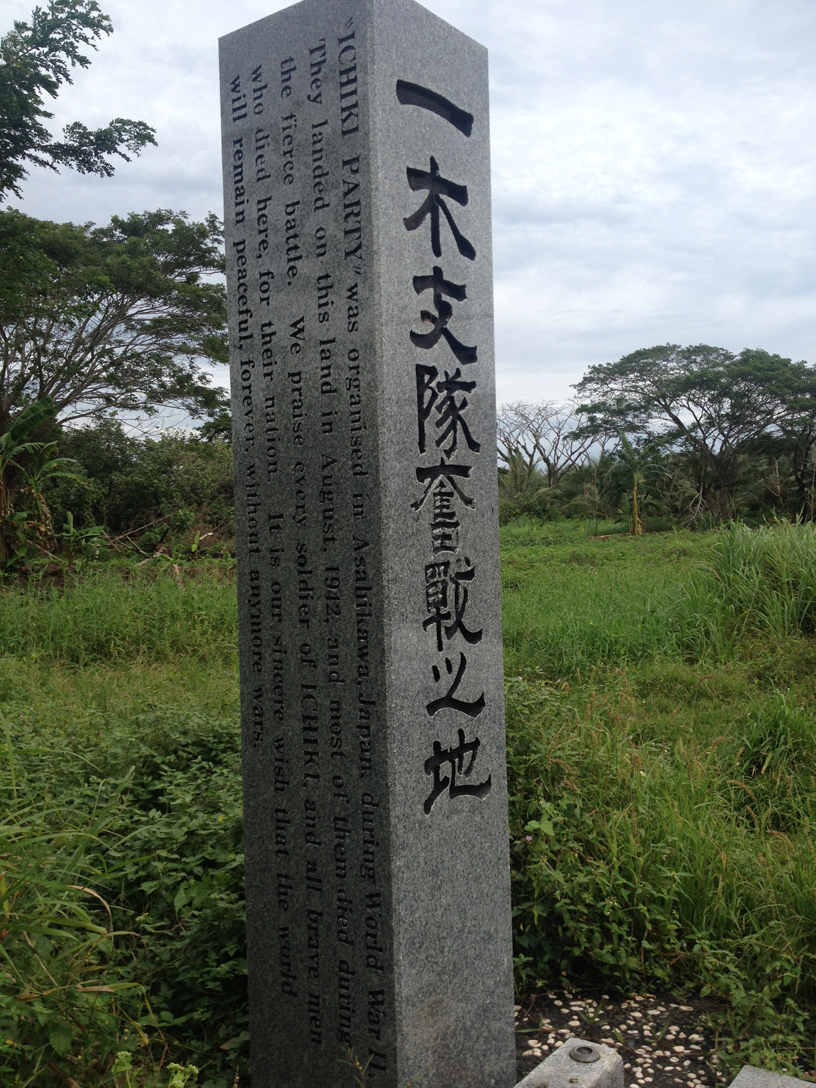
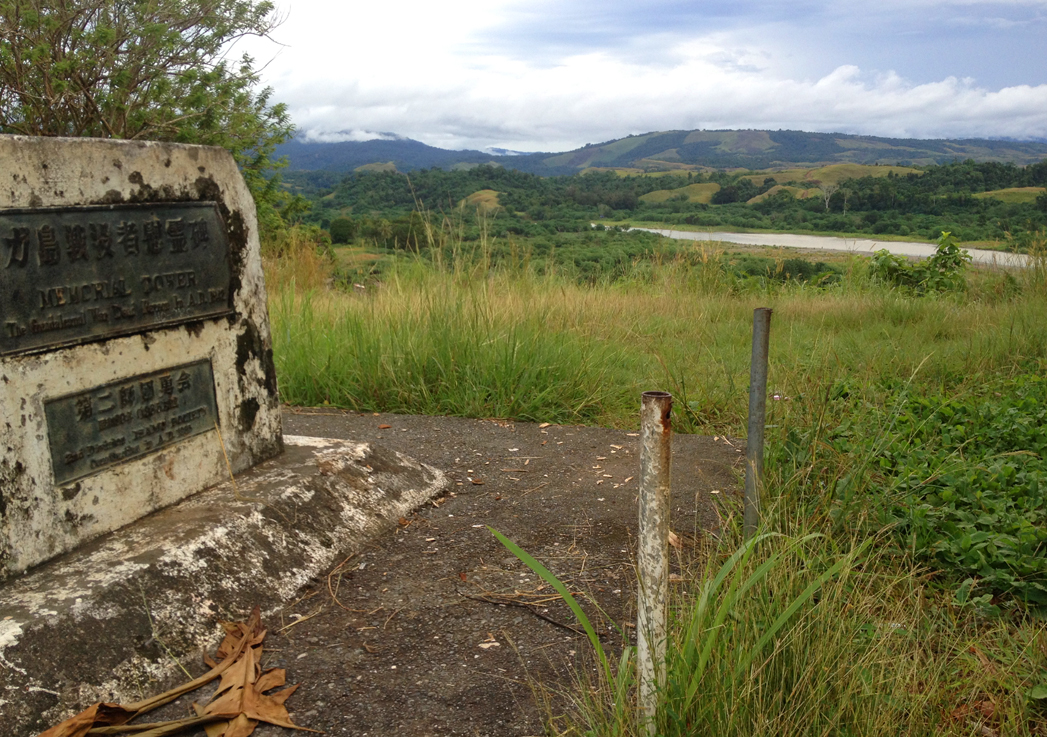
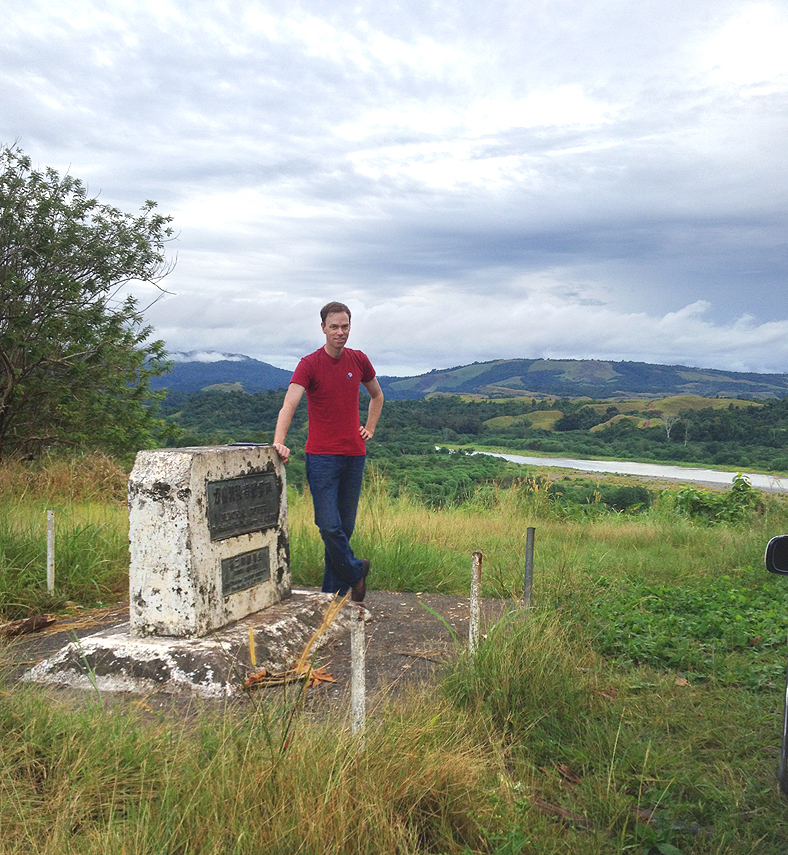
Memorial to Japanese soldiers
who died in the assault on Bloody Ridge, one of the most
intense battles of the long Guadalcanal campaign. Since Tropical Storm Rachel had
blocked all flights in and out of the Solomons, I actually
didn't miss my onward flight to Fiji/Auckland, but did arrive
in Auckland a day late.
I met Pockey and we made our way
south to explore New Zealand. What a different feeling from
roughing it in the stormy jungles of the Solomons!
I met Pockey and we made our way
south to explore New Zealand. What a different feeling from
roughing it in the stormy jungles of the Solomons!
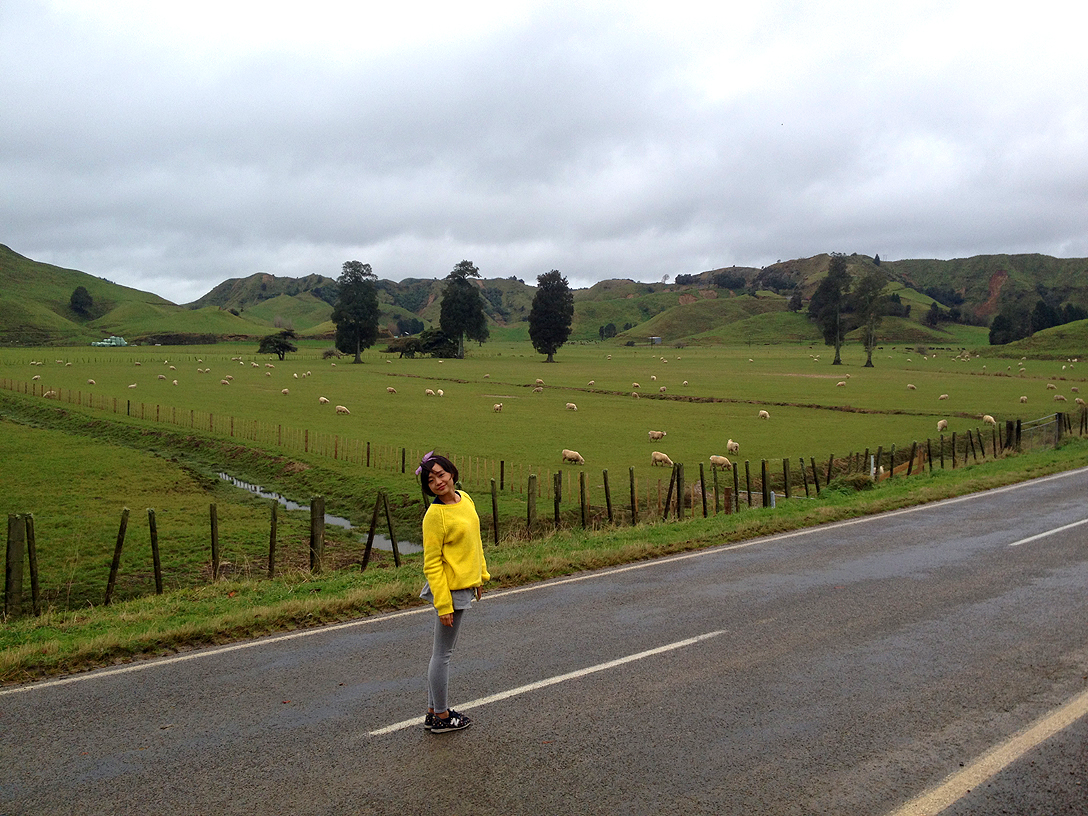
Watching the sheep in the fields of
the North Island, NZ.
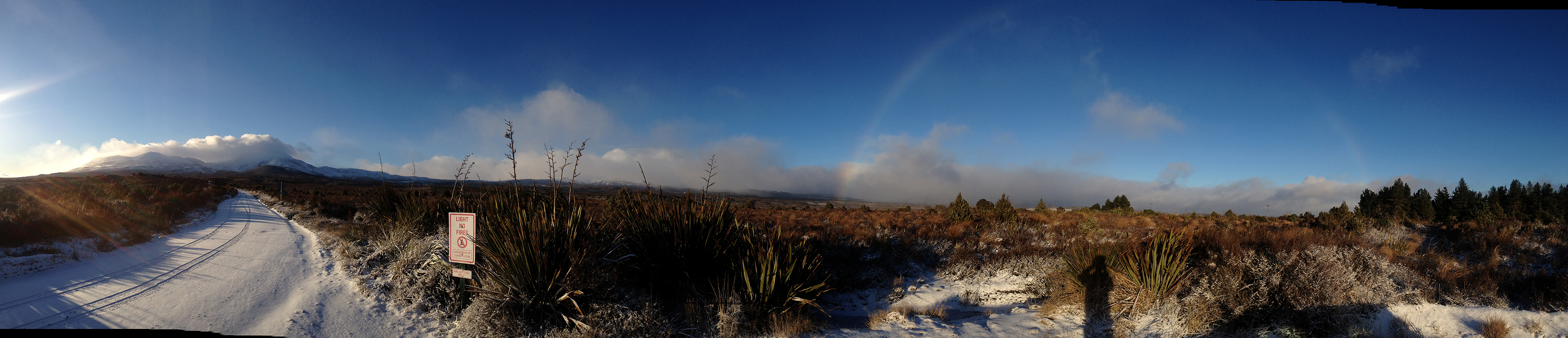
Snow rainbows in the highlands of
Tongariro National Park, NZ.
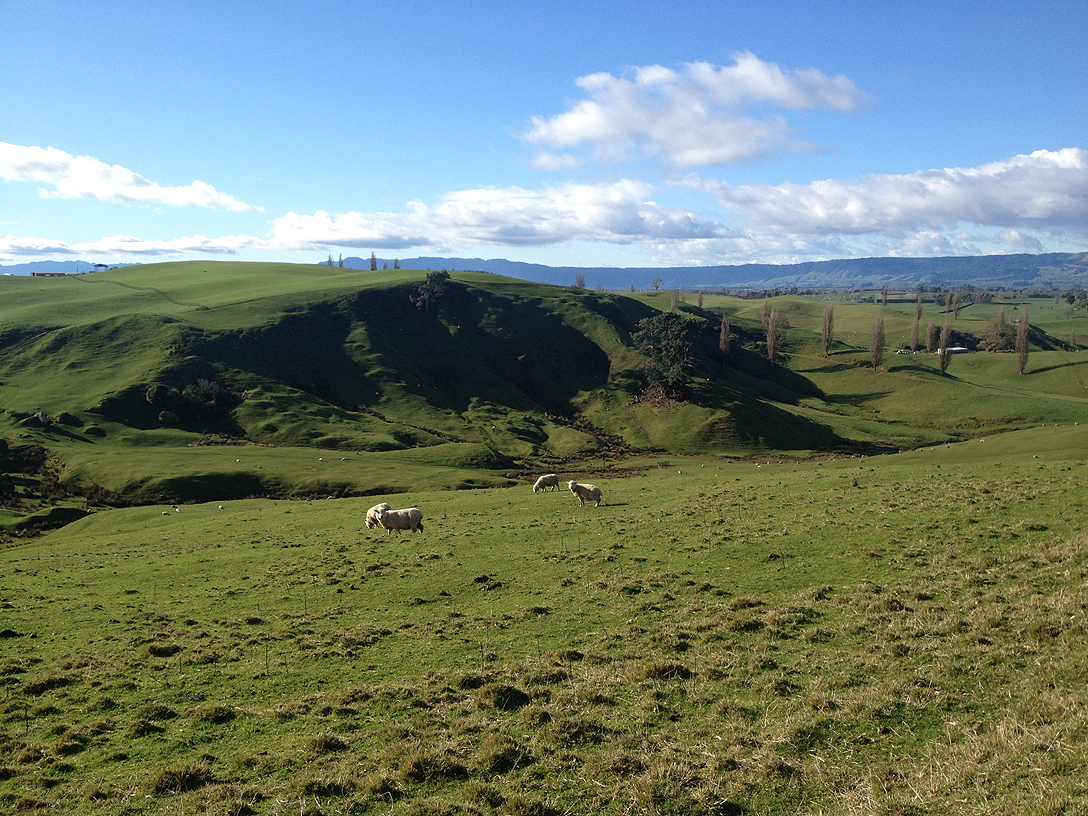
The sheep and green rolling hills of Hobbiton.
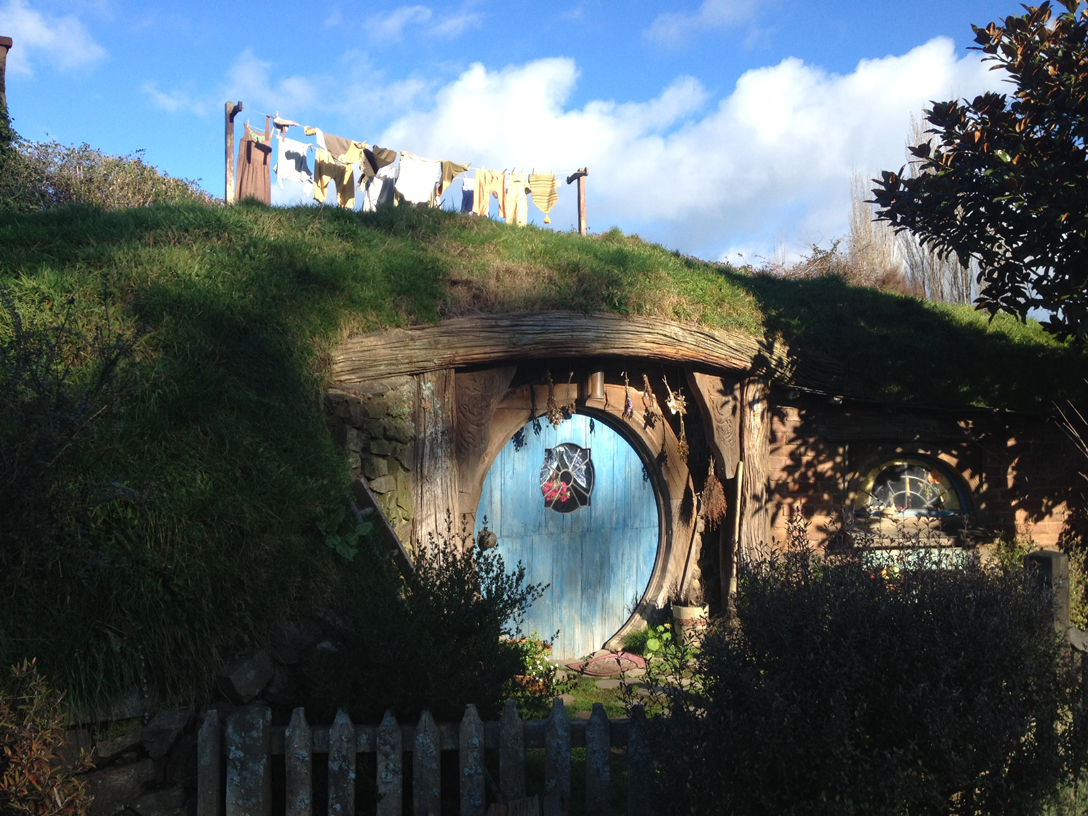
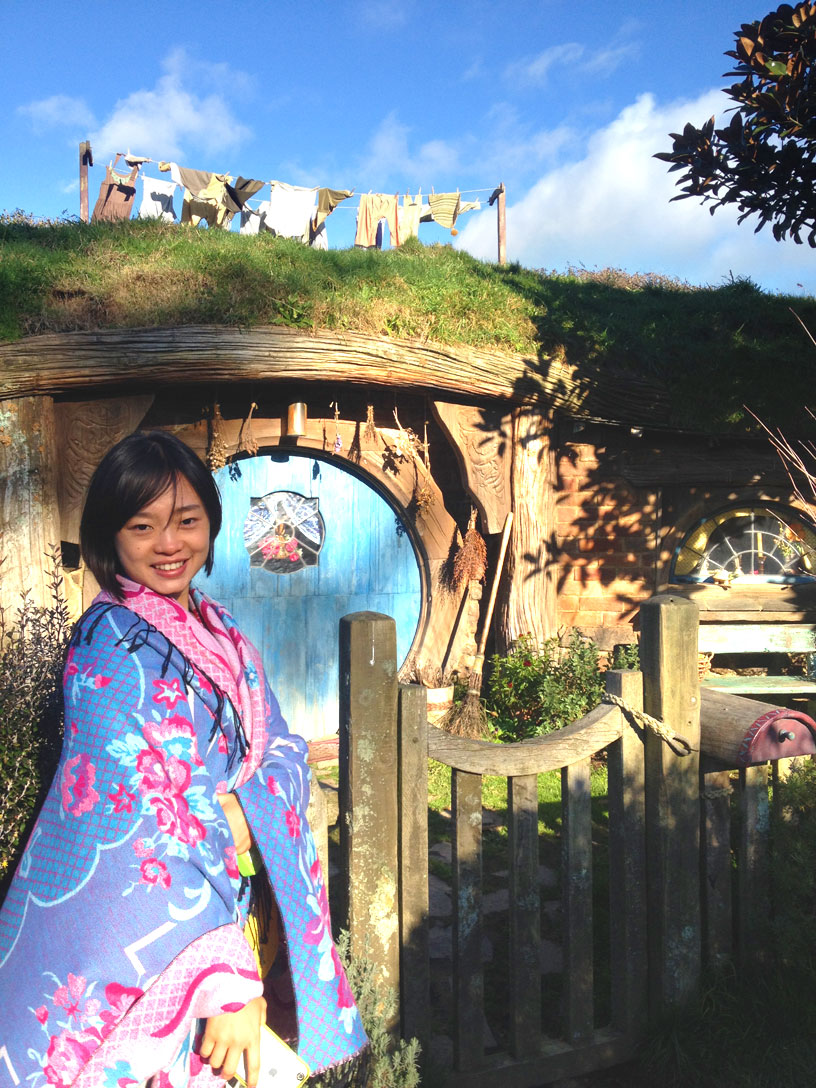
Sam's full-size hobbit-hole.
Sam's full-size hobbit-hole.
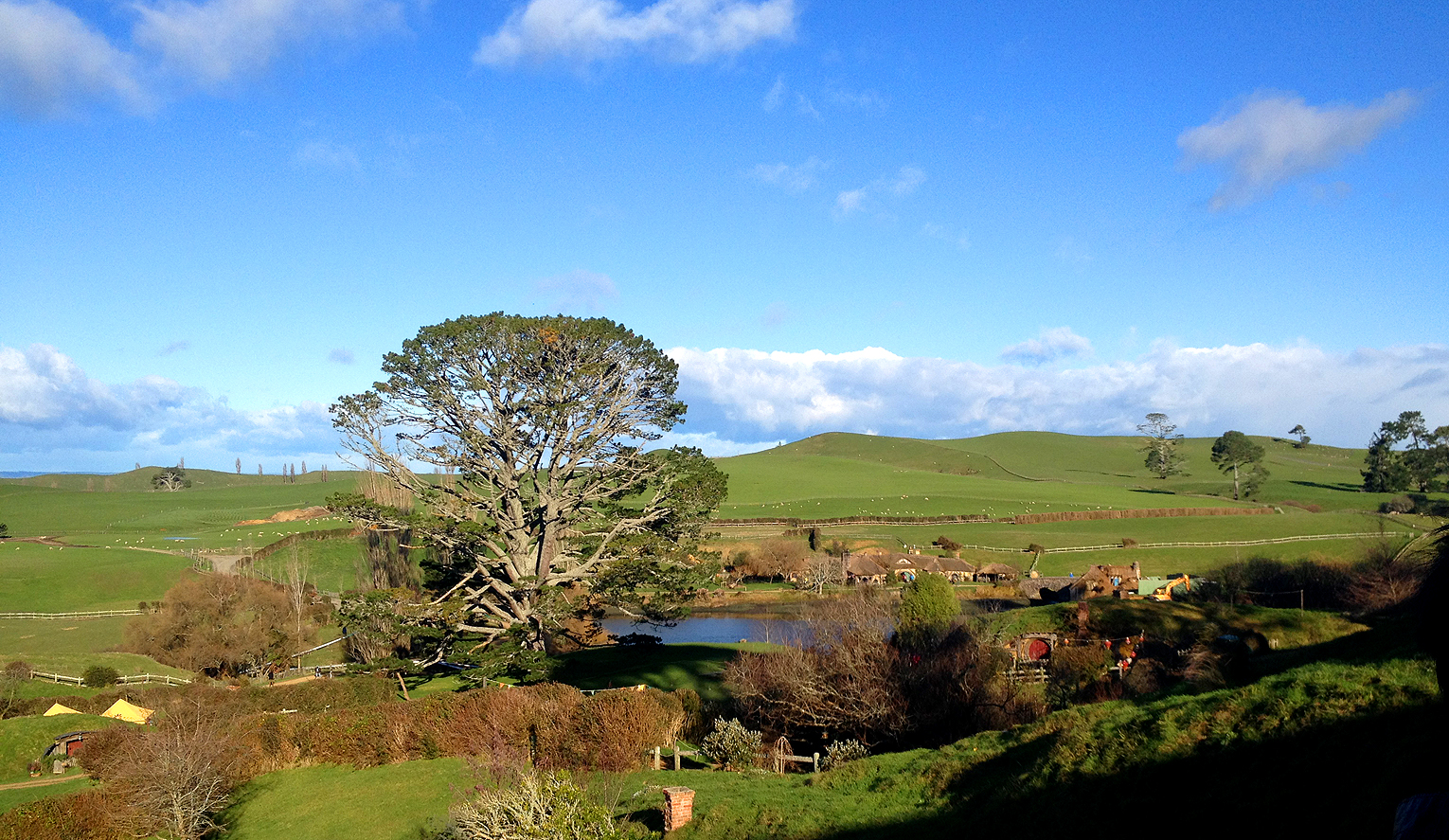
The hobbit-holes of Hobbiton.
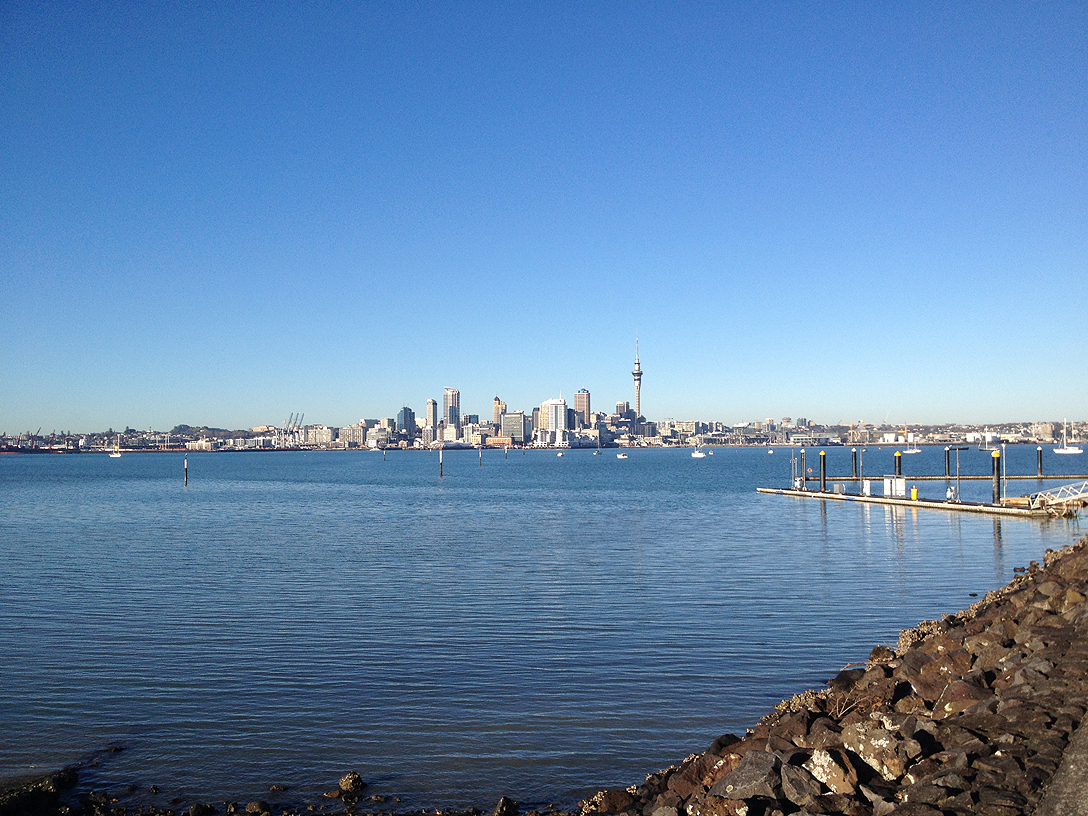
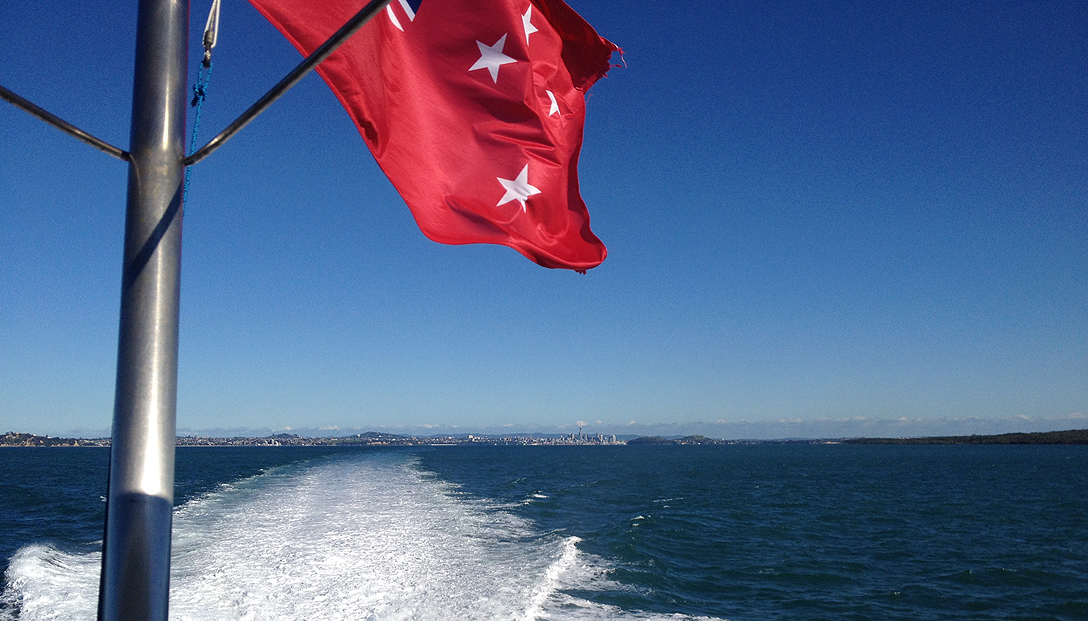
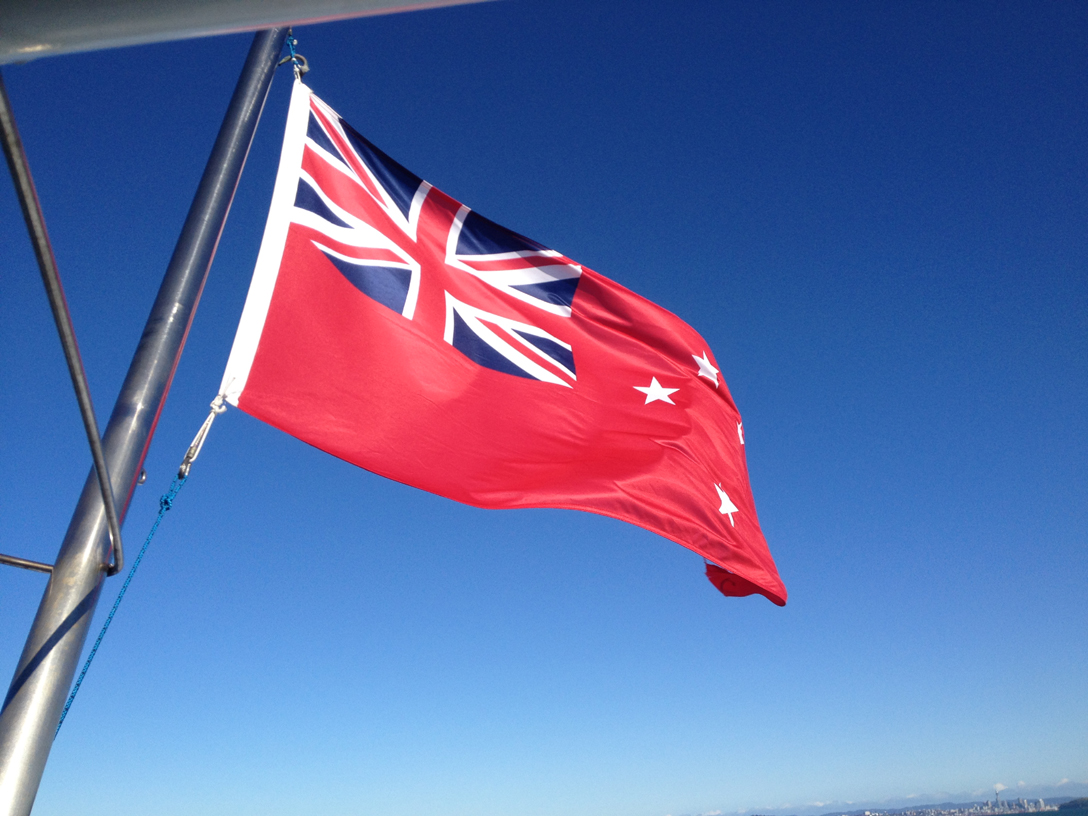
Naval ensign and Auckland, on the
ferry to Waiheke.
Naval ensign and Auckland, on the
ferry to Waiheke.
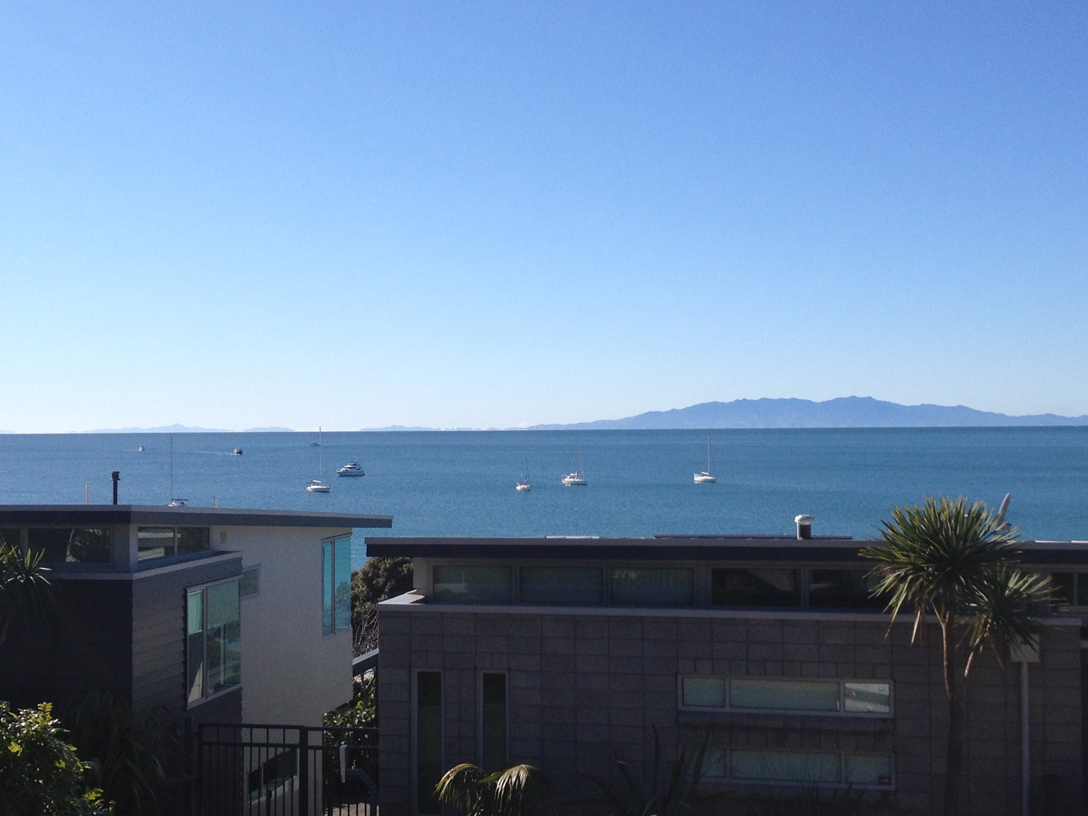
Looking out to Coromandel, from Waiheke.
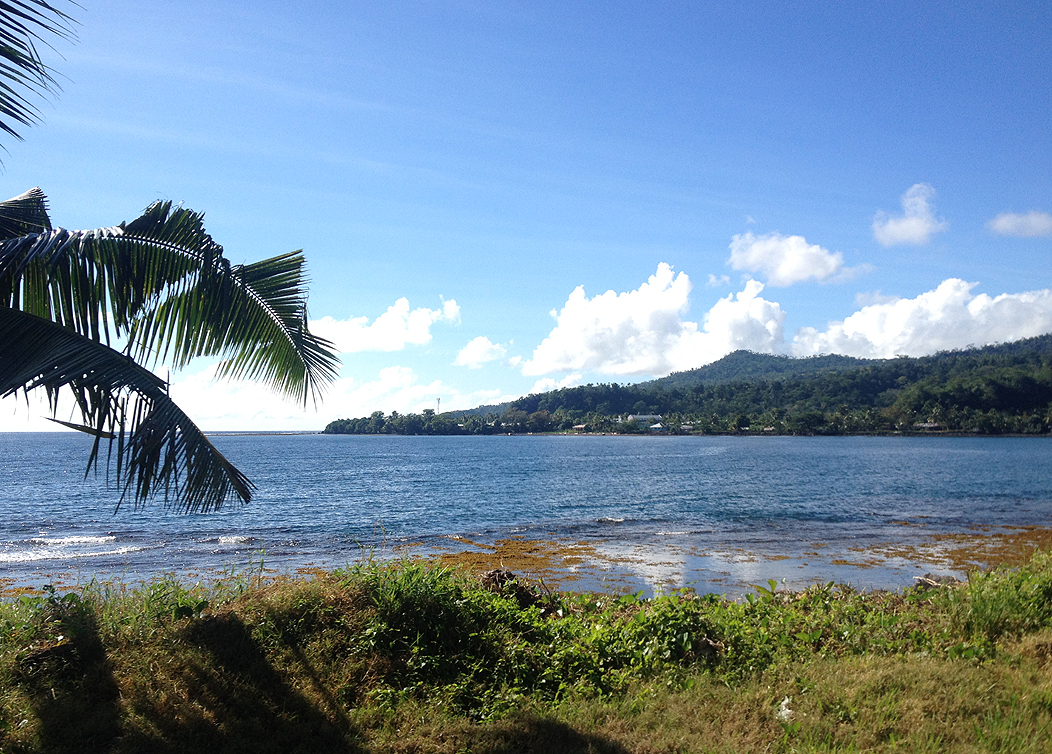
Next stop, Samoa. This is the north coast.
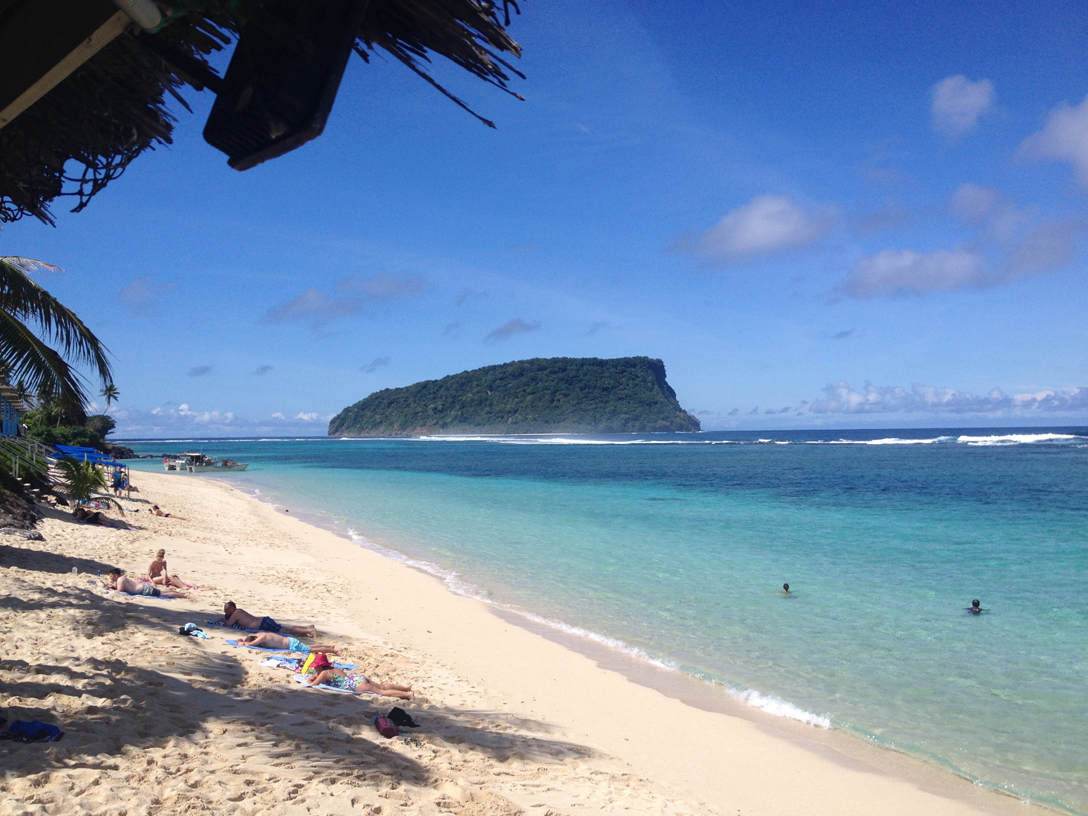
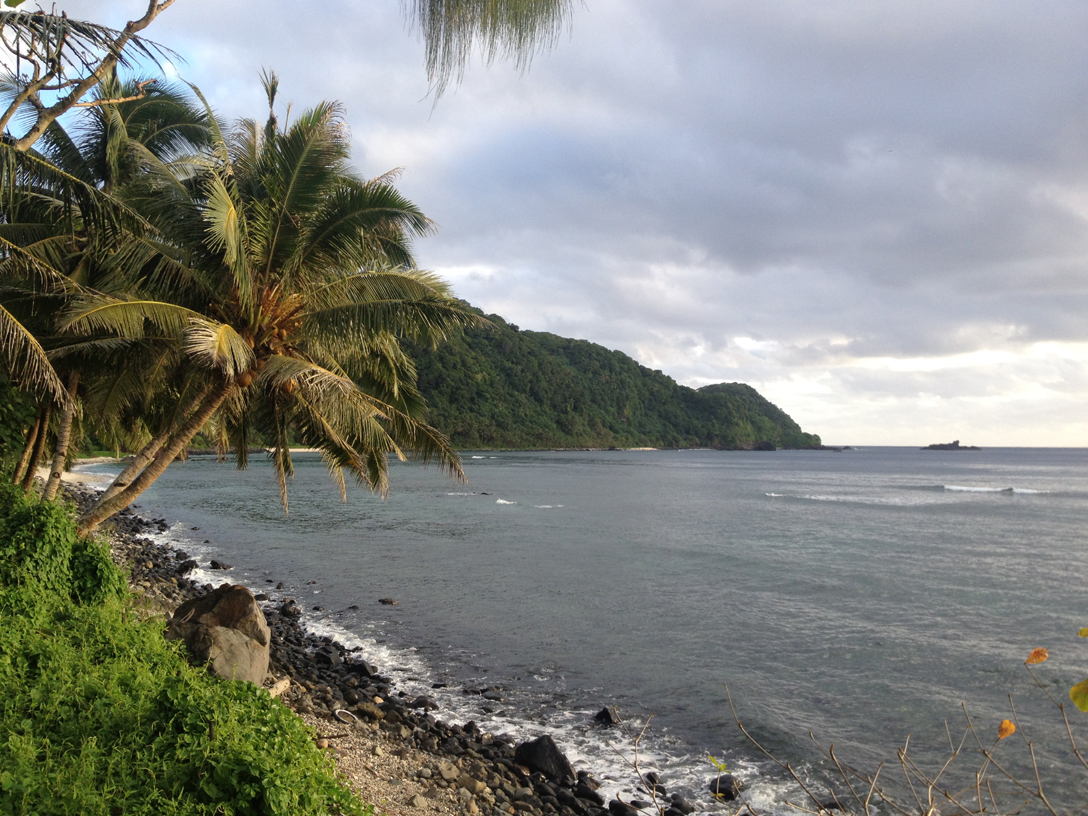
East coast of Samoa, within sight of
the U.S.
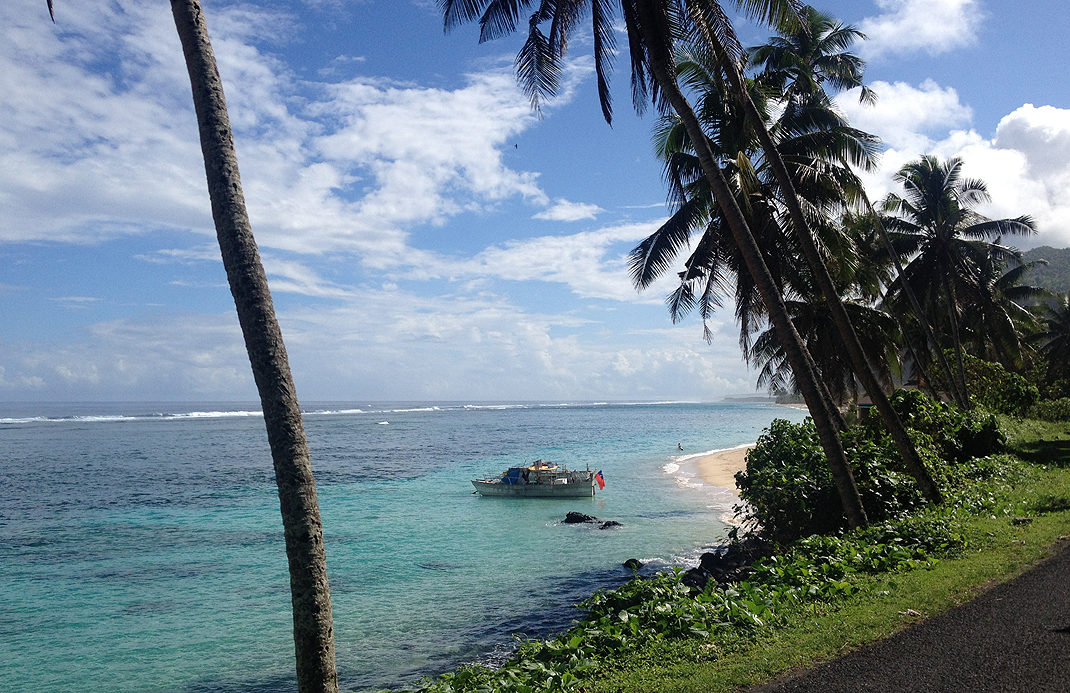
Near our cabana on Samoa.
A 30 minute flight from Samoa to
American Somoa, departing 2:00 pm on Tue, arriving 2:30 pm on Mon.
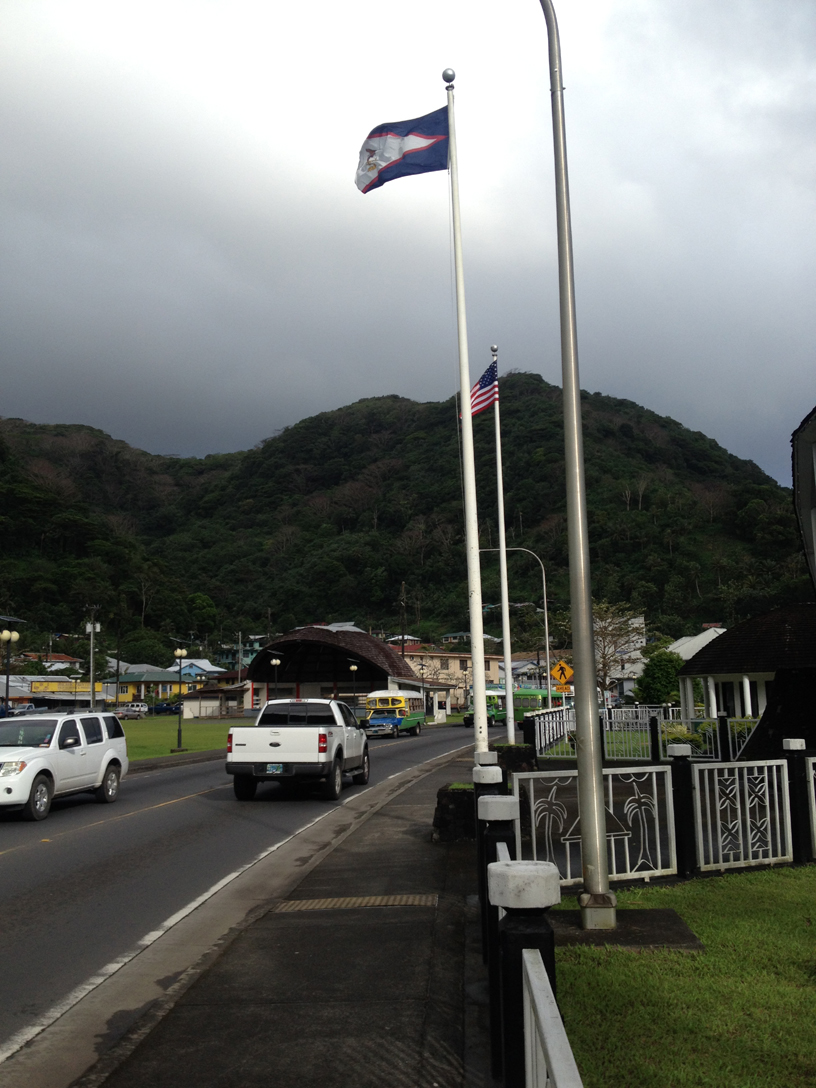
In Pago Pago, American Samoan flag
fluttering above.
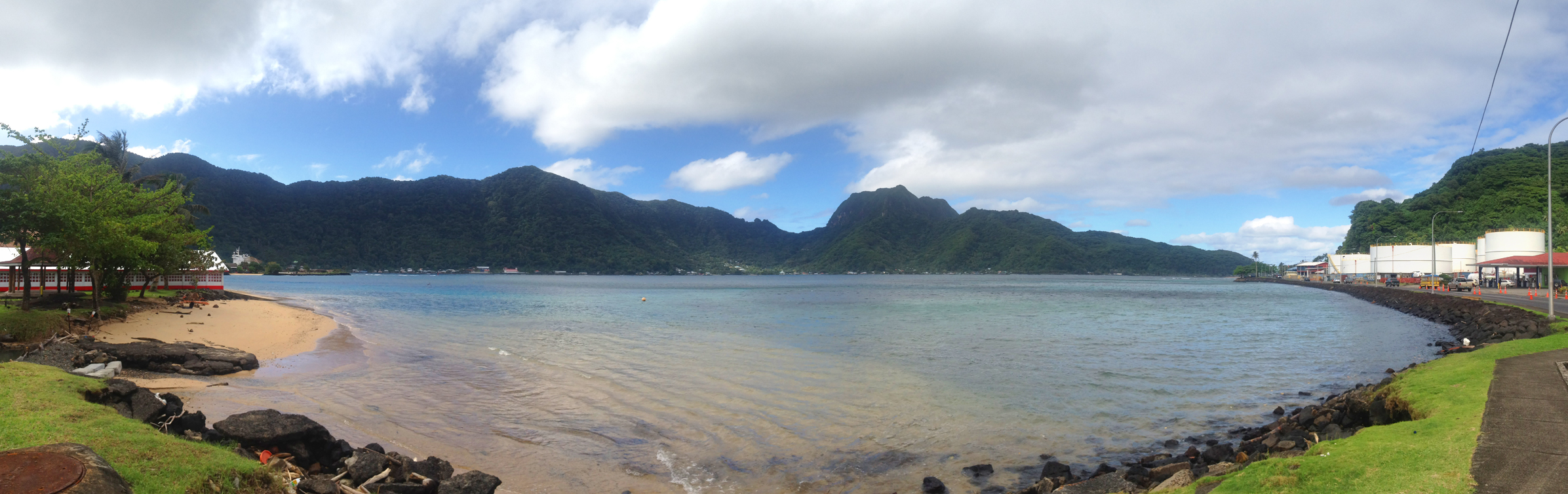
Pago Pago's tropical harbor.
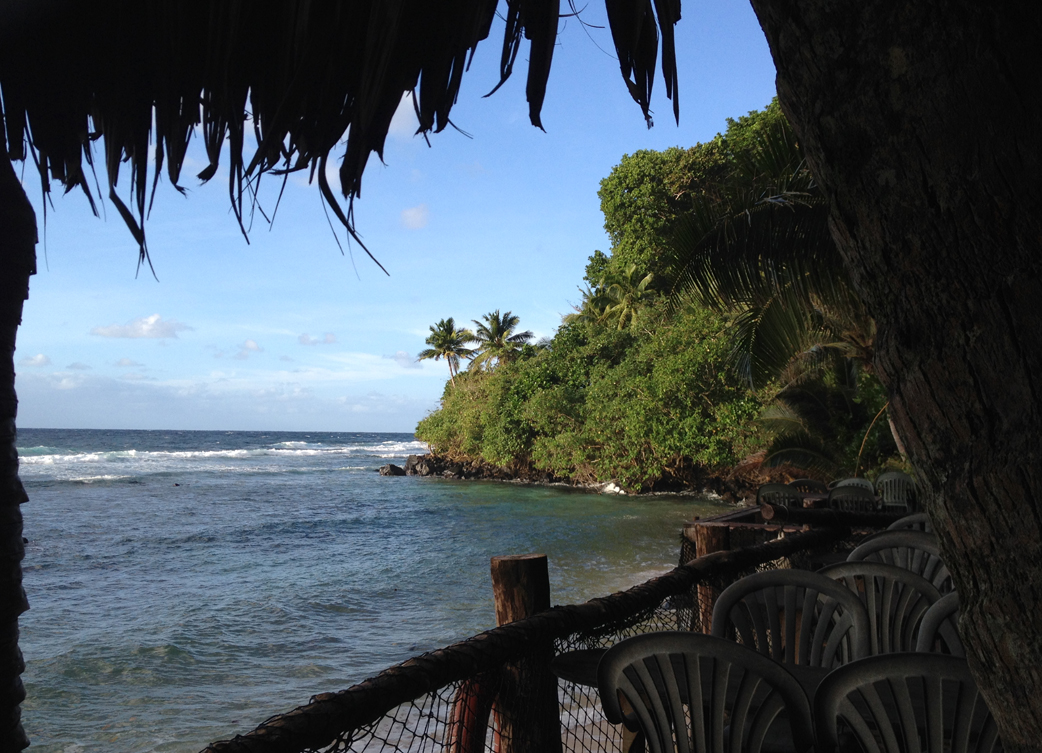
The view from Tisa's Barefoot Bar.
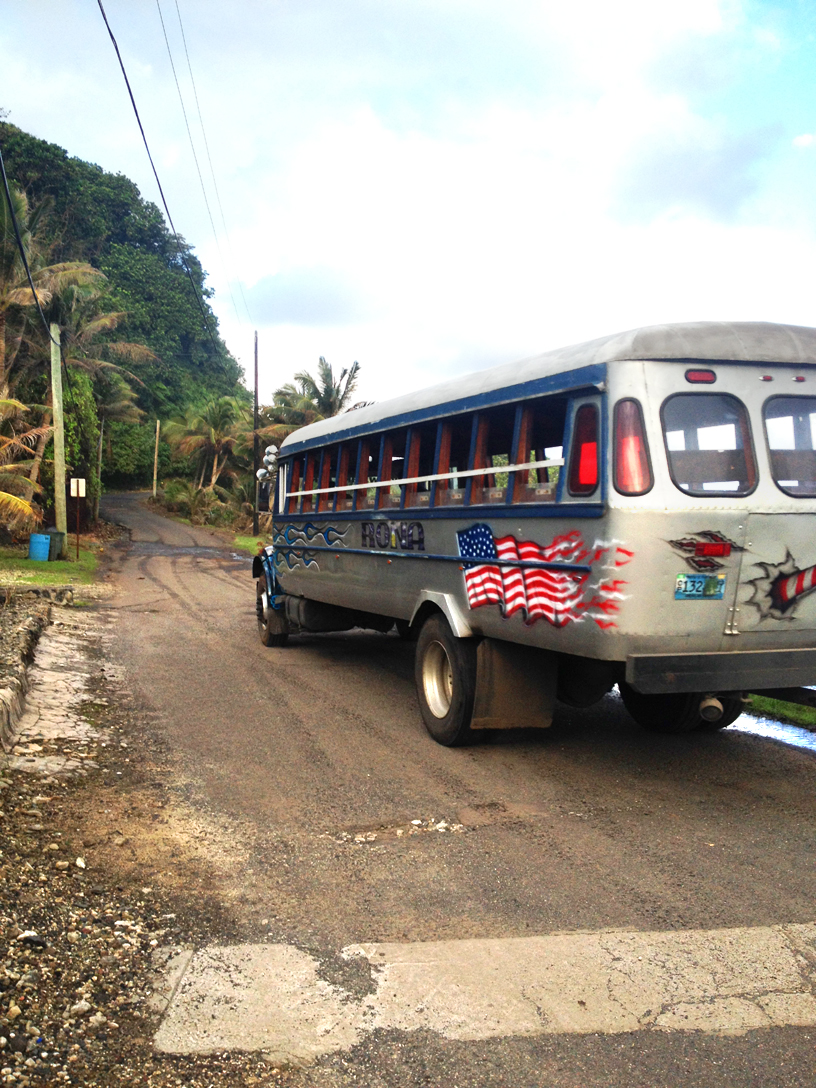
Truly American public transport on
American Samoa.
The view along the road back to the
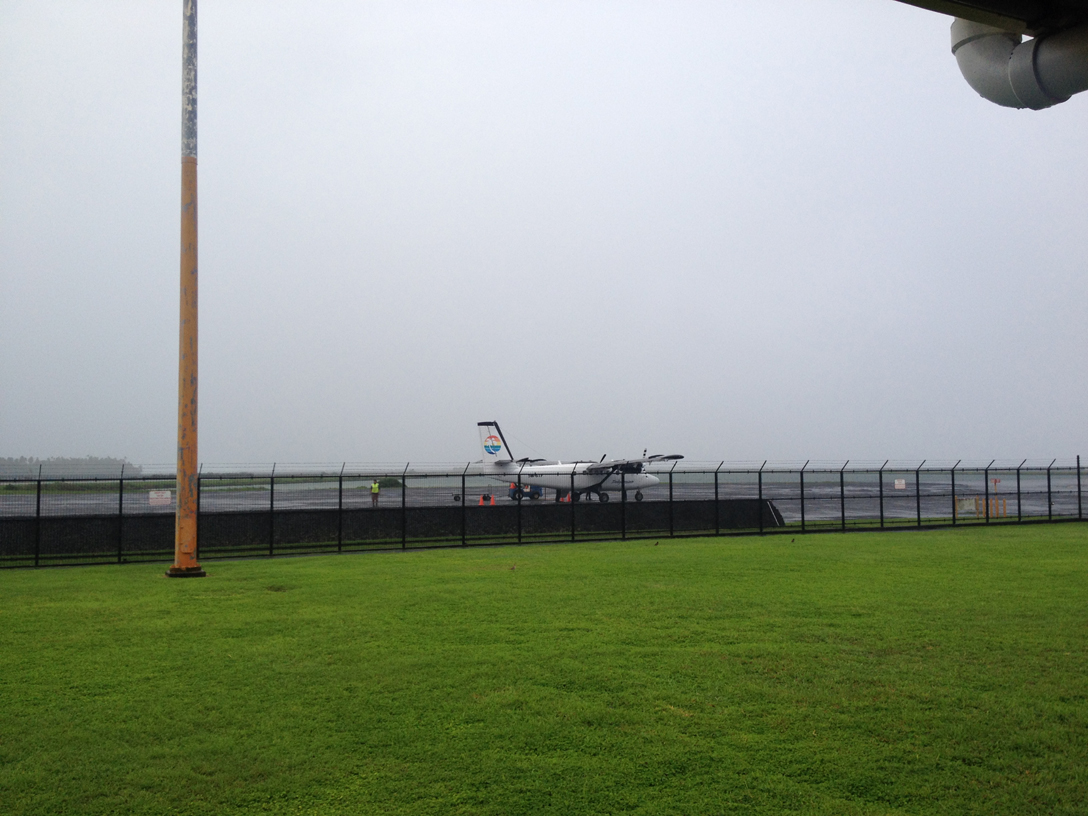
airport in Pago Pago.
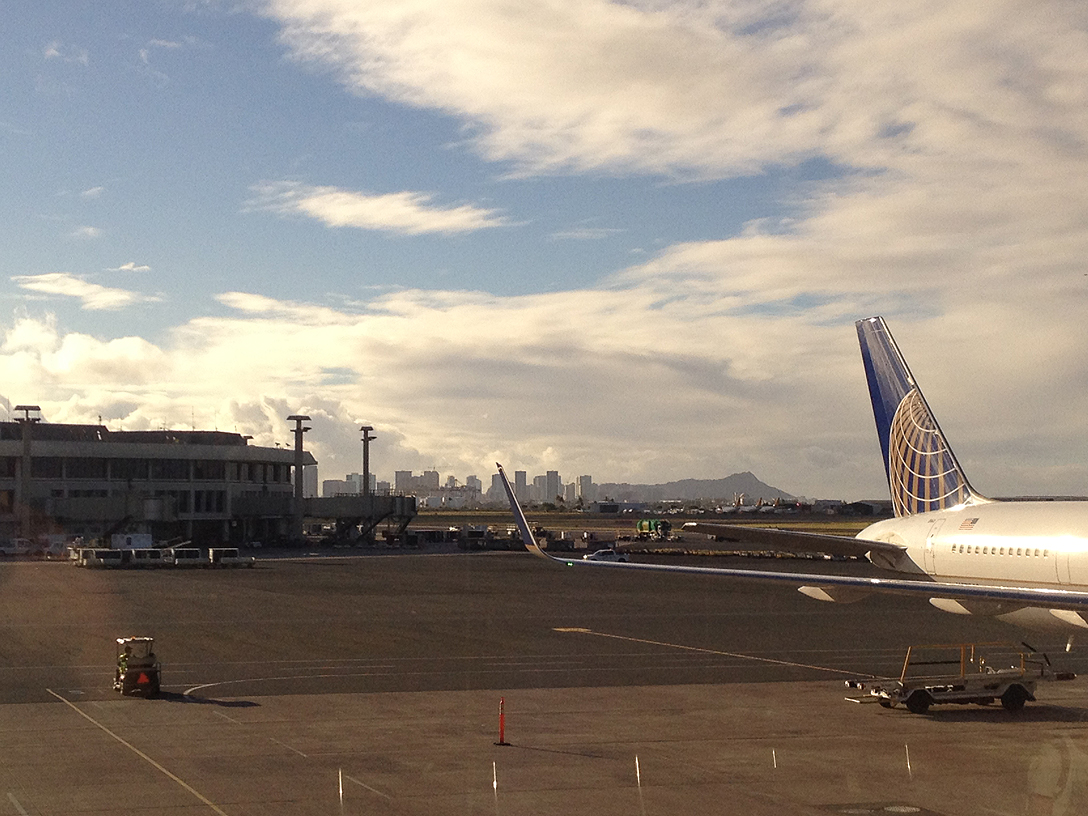
After two weeks crossing the
Pacific, it was a relief to land in Honolulu and see the
comforting skyline of Waikiki and Diamond Head.
|